

Dental bonding uses tooth-colored composite resin to repair or improve a tooth’s surface. Your dentist can fix a small front-tooth chip, soften discoloration, or close a tiny gap without removing much enamel.
It’s usually a same-day visit: shade match, light prep, etching gel, bonding agent, resin shaping, curing light, and polish. Typical planning ranges vary by market, provider, tooth condition, scope, materials, labor, and availability.
| Item | General planning range | |—|—| | Per bonded tooth | $100-$600 |
These are planning ranges, not guaranteed quotes. They reflect common provider and package patterns, and readers should verify current pricing, scope, deliverables, and market conditions before purchase.
These ranges aren’t quotes. Confirm current pricing with your dentist before treatment.
What is Dental Bonding?
Dental bonding is a minor cosmetic dentistry treatment that adds tooth-colored composite resin to the tooth surface. Your dentist shapes it so it blends with your natural tooth enamel.
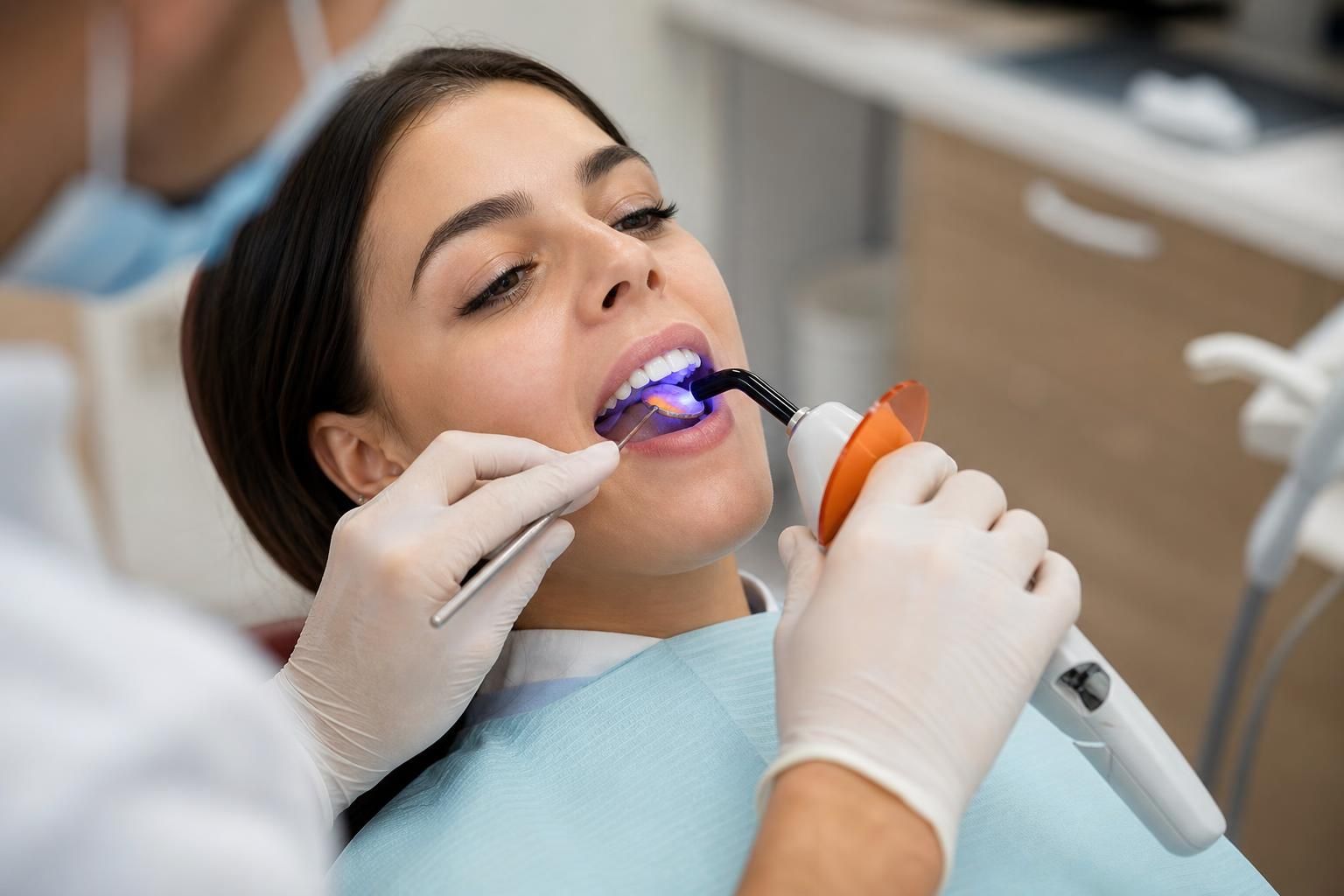
It’s often used for a small tooth chip, a narrow tooth gap, mild tooth discoloration, or a rough edge. It can also help with some minor tooth repair, like covering a small worn area.
Here’s the thing: bonding improves the outside of the tooth. It doesn’t make a weak tooth strong again. If you have tooth decay, a cracked tooth, or a broken tooth, your dentist may suggest a dental filling, dental crown, or another option instead.
Who is Dental Bonding Best For?
Common Reasons People Choose Bonding
Dental bonding is best for small, visible flaws where the tooth is mostly healthy. It’s a good fit when you want a quick minor cosmetic repair without changing much tooth enamel.
- A small front-tooth chip that shows when you smile
- A narrow tooth gap that doesn’t need orthodontic treatment
- Mild tooth discoloration that tooth whitening can’t fully fix
- A short, uneven, or rough tooth edge
- Small worn spots that need light tooth repair
It works especially well on front teeth because they get less chewing pressure. Bonding can be used on back teeth too, but wear and tear may happen faster there.
You may not be a good match if there’s active tooth decay, a cracked tooth, a broken tooth, or heavy bite pressure. In those cases, your dentist may suggest a dental filling, dental crown, dental veneer, or orthodontic treatment instead. A dental consultation helps you choose the safest option.
How the Dental Bonding Procedure Works
What Happens During the Appointment
Dental bonding is usually a one-visit treatment, and you often won’t need local anesthesia unless decay is involved.
Before the visit, ask whether tooth whitening should happen first. Composite resin won’t whiten later, so shade matching works best after your final tooth color is set.
- Your dentist checks the tooth surface and picks a resin shade.
- They do light tooth preparation, then use surface roughening to help adhesion.
- An etching gel goes on the tooth enamel for a short time.
- A bonding agent is brushed on.
- Composite resin is placed, molded, and shaped to fix the tooth chip, gap, or uneven edge.
- A curing light hardens the resin in layers.
- The bonded tooth is trimmed, shaped, and polished.
You can usually eat soon after, but go easy at first. Avoid biting hard foods with the bonded area while you get used to it.
Benefits and Drawbacks of Dental Bonding
Dental bonding’s big advantage is speed. It can fix a small front-tooth chip, close a tiny tooth gap, or cover mild tooth discoloration without removing much tooth enamel.
It’s also more conservative than many cosmetic dentistry options. The dentist shapes composite resin on the tooth surface, so the repair can be adjusted later if needed.
The tradeoff is durability. Bonding can stain, chip, or wear down faster than porcelain. It’s best for minor cosmetic repair, not heavy bite pressure or large structural damage.
How Bonding Compares With Veneers and Crowns
Bonding is usually enough when the tooth is mostly healthy and the change is small. Think one chipped edge or one uneven front tooth.
A dental veneer may be better for wider smile changes, stronger stain resistance, or several front teeth.
A dental crown is usually better when a cracked tooth, broken tooth, or deep tooth decay needs more coverage and strength.
So, bonding is simple and useful, but it’s not meant to replace stronger repairs.
How Long Dental Bonding Lasts
Dental bonding often lasts about 3 to 10 years, but that’s a planning range, not a promise. It varies by your bite, oral hygiene, the tooth’s location, and how much composite resin was placed.
Bonding on front teeth may last longer when it fixes a small tooth chip. Bonding on back teeth often faces more chewing force, so wear and tear can show sooner.
Habits matter too. Nail biting, ice chewing, hard foods, and grinding can cause chips or fracture. Staining foods and drinks can also dull the shade over time.
The good news is that bonding can often be polished, repaired, or replaced without redoing the whole tooth.
Cost of Dental Bonding
Dental bonding usually costs less than veneers or crowns, but your quote depends on the tooth, the amount of composite resin, and whether tooth decay needs treatment first. These are planning ranges, not a quote. Prices vary by market, provider, scope, tooth condition, materials, labor, and availability. Confirm current pricing with your dental provider before you book or pay.
Ask how many teeth are included, whether polishing or adjustments are included, and whether decay treatment or bite changes could raise the final cost.
| Cost item | Typical range | What it usually includes | Watch-outs |
|---|---|---|---|
| Single bonded tooth | $100-$600 | Shade matching, direct bonding, shaping, polishing | Large repairs often cost more than a small front-tooth fix |
| Small chip repair | $150-$400 | Composite bonding for a tooth chip | More if enamel loss is wider |
| Bonding several teeth | $300-$1,500+ | Minor cosmetic repair across nearby teeth | Smile design adds chair time |
| Repair or replacement | $75-$300+ | Polishing, patching, or replacing resin | Needed after fracture, staining, or wear |
Insurance may help when bonding restores a damaged tooth. It usually won’t cover purely cosmetic tooth gaps or discoloration.
Caring for Bonded Teeth
Bonded teeth don’t need special tools, but they do need steady habits. Treat composite resin like a polished surface that can stain, chip, or wear down.
Brush twice daily with a soft toothbrush, and floss once daily around the bonded tooth. Good oral hygiene helps protect the tooth enamel near the resin edge.
For the first 24 to 48 hours, go easy on staining foods and drinks. Coffee, tea, red wine, curry, and berries can tint fresh bonding faster.
Try not to bite hard foods with bonded front teeth. Ice, hard candy, pens, and fingernails are common troublemakers.
If bonding feels rough, sharp, or “high” when you bite, call your dentist. A quick polishing or bite adjustment can prevent extra wear.
Risks, Side Effects, and When to Call Your Dentist
Dental bonding is low-risk, but it’s not indestructible. You may notice mild sensitivity for a few days, especially if the tooth surface was shaped or decay was treated first. The resin can also roughen, stain, chip, or separate from tooth enamel with normal wear and tear.
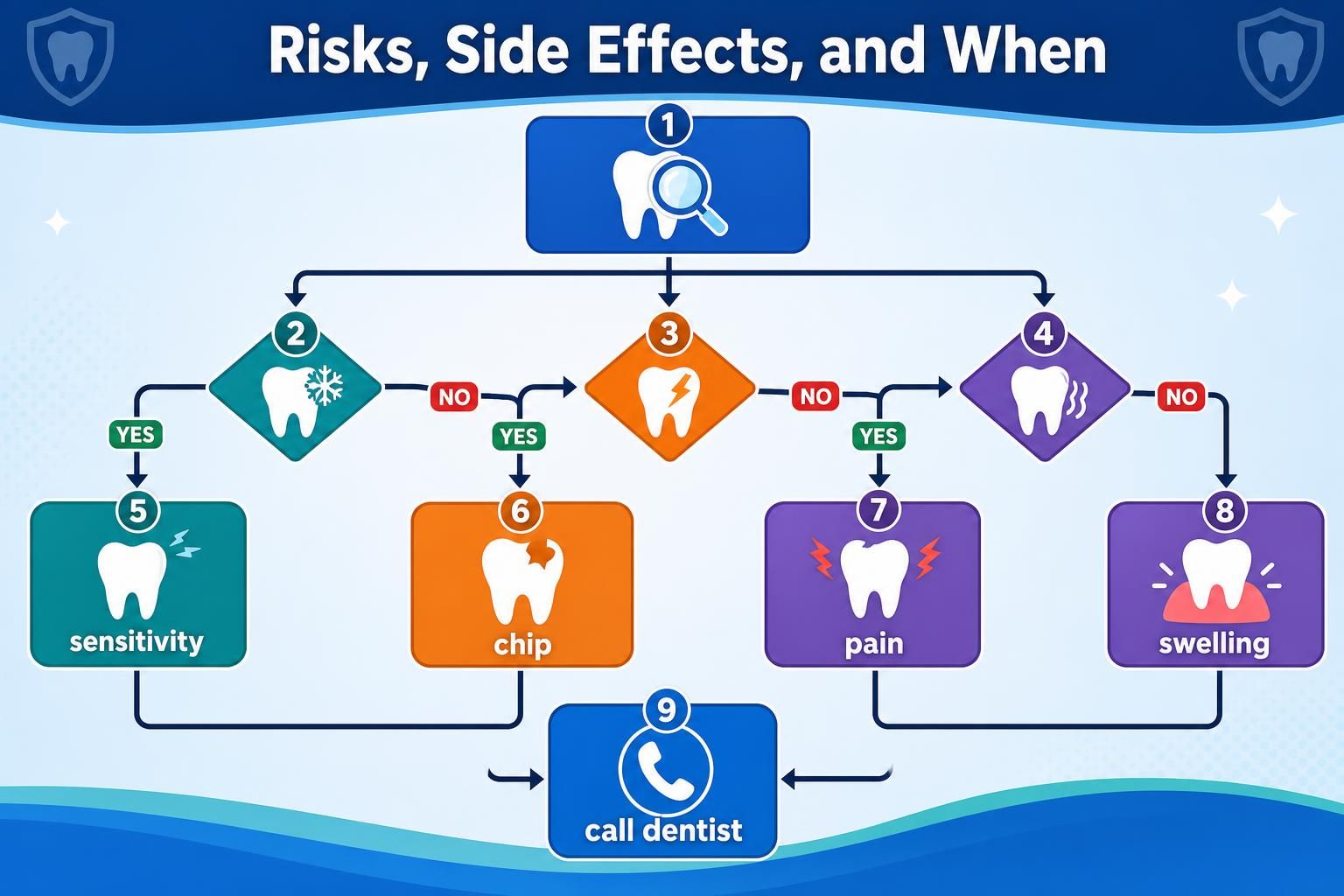
Call your dentist if the bonded tooth feels sharp, loose, painful, or suddenly changes your bite. A small tooth chip can often wait for a regular dental consultation, where the dentist may polish, repair, or replace the bonding.
Don’t wait if you have swelling, strong pain, bleeding, a large crack, fracture, or a broken tooth with exposed inner layers. Those signs need prompt care.
Dental bonding is a smart pick when you want a quick, conservative fix for a small chip, gap, stain, or uneven edge. It’s less ideal for large cracks, heavy bite pressure, major decay, or damage that needs more strength. In those cases, a veneer, crown, filling, whitening, or orthodontic treatment may fit better.
The main takeaway is simple: bonding can look great, but it’s not permanent or indestructible. If you’re unsure, book a dental consultation and ask what option fits your tooth, bite, budget, and long-term goals.