

Dental bonding for front teeth uses tooth-colored composite resin to fix small visible flaws. Your dentist shapes the resin on the tooth surface, hardens it with a curing light, then polishes it to blend in.
It’s often a good fit for a small chip, a narrow front-tooth gap, or mild discoloration. For example, if one front tooth has a tiny corner chip, bonding can often rebuild that edge in one visit.
Here’s the thing: bonding looks natural, but it’s not permanent. It can stain, chip, or feel rough over time, so it works best for smaller cosmetic fixes.
What is Dental Bonding for Front Teeth?
Dental bonding for front teeth is a cosmetic treatment that adds composite resin to the visible tooth surface. The resin is shade matched, shaped, hardened, and polished so it blends with nearby tooth enamel.
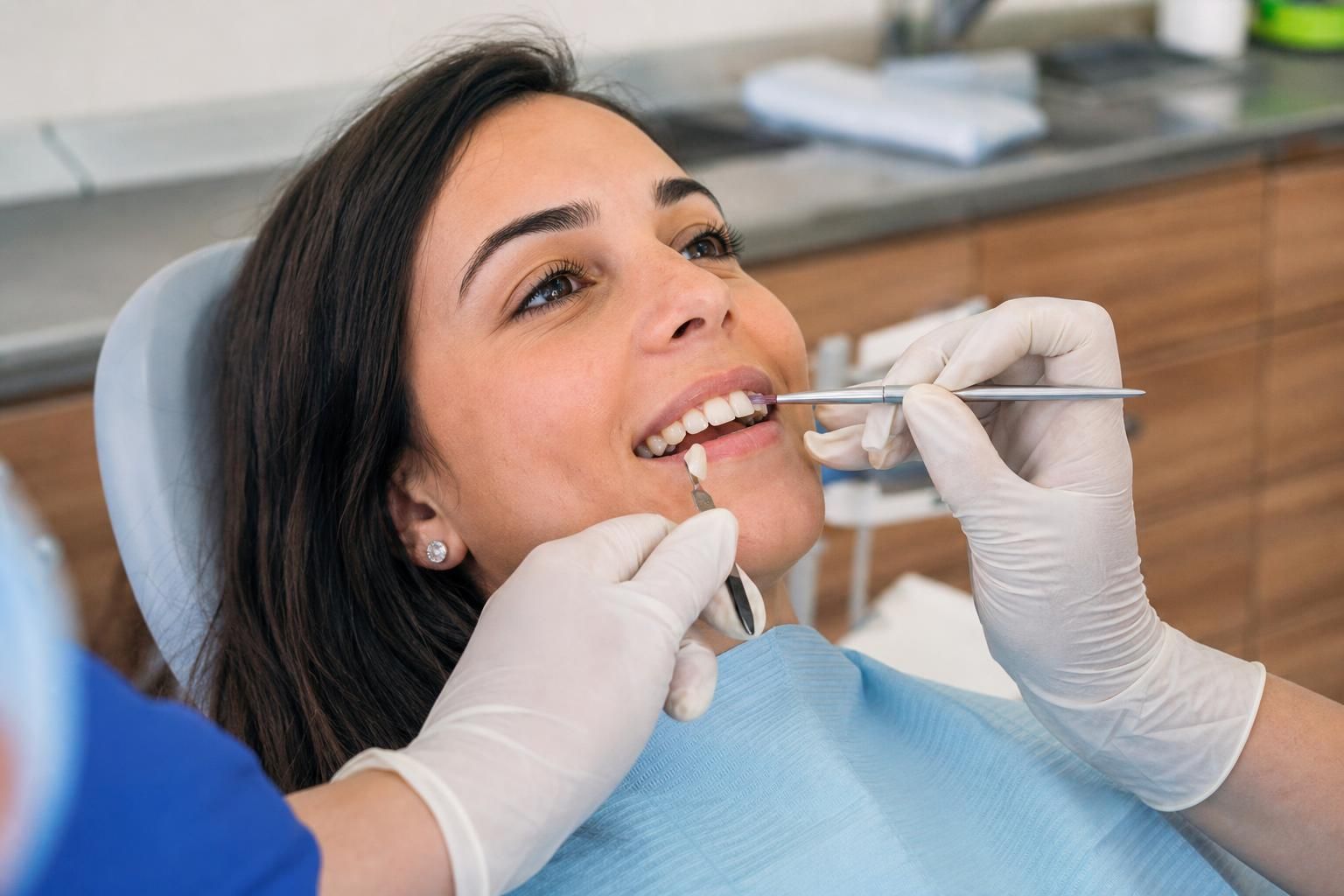
Dentists use it most often for small chips, minor tooth damage, narrow gaps between teeth, and mild discoloration. It’s popular for front teeth because even tiny flaws can stand out when you smile or talk.
The big appeal is that bonding can look natural without major tooth preparation. In many cases, your dentist doesn’t need to remove much enamel, if any. The tradeoff is that the bonding material isn’t as strong or stain-resistant as natural enamel or porcelain.
Who is a Good Candidate?
A good candidate has healthy front teeth, good oral hygiene, and a small cosmetic issue they want fixed without major tooth preparation. Bonding works best when the tooth still has enough strong tooth enamel to support the composite resin.
Common Issues Bonding Can Fix
- A small chip on a front tooth from biting something hard.
- Minor tooth damage that doesn’t affect the tooth’s strength.
- Narrow gaps between teeth, especially if you don’t want orthodontic treatment.
- Mild discoloration that doesn’t respond well to whitening.
- Slight uneven edges that need shaping or contouring.
Here’s the thing: bonding is best for small, visible fixes. It’s not ideal for large cracks, deep tooth decay, major bite problems, or teeth that take heavy bite pressure. If you grind your teeth, your dentist may still recommend bonding, but you’ll likely need a night guard.
If the tooth needs more strength, a dental crown may be better. If you want a longer-lasting cosmetic change, a veneer may make more sense. Your dentist can help you compare these options based on the tooth surface, bite, and smile goals.
How the Procedure Works
What to Expect During One Visit
Most front tooth bonding is done in one dental office visit. You usually don’t need much prep beforehand, except brushing well and telling your dentist about sensitivity, teeth grinding, or recent tooth pain.
- Your dentist starts with shade matching, so the composite resin blends with your nearby front teeth.
- The tooth surface is cleaned, then lightly roughened with etching gel. This helps the bonding material grip the tooth enamel.
- An adhesive is painted on the tooth.
- The dentist adds the composite resin in small layers, then uses shaping and contouring to fix the chip, gap, or uneven edge.
- A curing light hardens each layer. The bonding material sets in seconds, so you’re not waiting hours for it to dry.
- The dentist finishes with polishing, so the tooth feels smooth and looks natural.
After treatment, you can usually eat normally once you leave. Still, it’s smart to avoid biting hard foods with that tooth right away. Mild sensitivity can happen, but sharp pain or a bite that feels “high” needs a call to your dentist.
Pros and Cons of Front Tooth Bonding
Dental bonding is popular for front teeth because it can make a visible change without a big treatment plan. A small chip, a narrow gap, or mild discoloration can often look smoother and more even right away.
| Best for | Why it works | Watch out for |
|---|---|---|
| Small chips | Composite resin rebuilds the edge | Can chip again with hard bites |
| Tiny gaps | Adds width without orthodontic treatment | Not ideal for larger spacing |
| Mild discoloration | Shade matching can blend the tooth | Coffee, tea, and smoking can stain it |
| Uneven edges | Shaping and polishing improve symmetry | Wear and tear may need touch-ups |
The biggest pros are speed, lower tooth preparation, and natural-looking results. Your dentist usually keeps most tooth enamel intact, which is a big deal on visible front teeth.
The tradeoff is durability. Bonding material isn’t as stain-resistant or strong as a veneer or dental crown. It’s also not the best fix for major cracks, deep tooth decay, or heavy bite pressure from teeth grinding.
How Long Dental Bonding Lasts
Front tooth bonding often lasts several years, but it isn’t permanent. A typical planning range is about 3 to 10 years, depending on your bite, habits, oral hygiene, and the bonding material used.
Small bonding on one chipped edge may last longer than bonding that covers a wide tooth surface. More surface area means more exposure to bite pressure, staining, and wear and tear.
What Affects Durability
The biggest factor is how much force hits the bonded area. If you grind your teeth, bite your nails, chew ice, or use your teeth to open packages, bonding can chip sooner.
Daily care matters too. Brushing, flossing, and regular dental office cleanings help keep the edges smooth and reduce staining.
Coffee, tea, red wine, and smoking can discolor composite resin over time. Bonding doesn’t whiten like tooth enamel, so shade changes may need polishing, repair, or replacement.
Call your dentist if a bonded front tooth feels rough, looks stained at the edge, chips, cracks, or changes your bite. Early repair is usually simpler than waiting until more bonding material breaks away.
Cost of Dental Bonding for Front Teeth
Dental bonding for front teeth is usually priced per tooth. As a general planning range, many dental offices quote bonding in the low-to-mid hundreds per tooth, but costs vary by location, dentist, tooth size, and how much shaping is needed. These are planning ranges, not quotes, and actual fees vary by market, provider, scope, tooth condition, parts, labor, and availability.
A tiny chip on one front tooth will usually cost less than closing gaps between teeth or covering wider discoloration across several teeth. More detailed shade matching, contouring, and polishing can also affect the fee because front teeth need to blend with your smile.
Insurance may not cover bonding when it’s purely cosmetic. If bonding repairs minor tooth damage or replaces a small dental filling, partial coverage may be possible. It depends on your plan and the reason for treatment.
- Is the quote per tooth or for the full visit?
- Does it include shade matching, polishing, and bite adjustments?
- What’s the cost if the bonding material chips later?
- Are there alternative treatments I should compare?
- How long is this estimate valid, and could lab or follow-up fees apply?
Always confirm a current estimate with your dentist before treatment.
Bonding vs Veneers and Crowns
Bonding, veneers, and crowns can all improve front teeth, but they solve different problems.
Bonding is the lightest option. Your dentist adds composite resin to the tooth surface. It’s useful for a small chip, mild discoloration, or a narrow gap. It usually needs little tooth preparation, and repair is simple if the bonding material chips.
A veneer covers the front of the tooth with a thin shell, often porcelain or composite. It can work better for bigger changes in color, shape, or symmetry. Veneers resist staining better than bonding. The tradeoff is higher cost and removal of some tooth enamel.
A dental crown covers the whole visible tooth. It’s not just cosmetic. It may be better for large cracks, serious tooth decay, heavy bite pressure, or weak tooth structure.
Other alternative treatments matter too. A dental filling may suit a tiny damaged area. Orthodontic treatment may be smarter for larger gaps or crooked front teeth.
Aftercare and When to Get Repairs
Bonded front teeth don’t need special products, but they do need gentle habits. The bonding material is hardened before you leave, so you can eat normally once numbness wears off. Avoid biting ice, pens, fingernails, or hard foods with your front teeth.
Keep the edges clean with daily brushing and flossing. Coffee, tea, smoking, and dark sauces can stain composite resin faster than tooth enamel, so rinse after them when you can.
Call your dentist if a bonded tooth feels rough, catches floss, chips, stains, or looks uneven. Repairs are usually simpler when damage is small.
Get urgent advice if you have sharp pain, swelling, a loose piece, bite pain, or sensitivity that doesn’t settle after a few days.
Dental bonding for front teeth is a good choice when the problem is small, visible, and cosmetic, such as minor chips, tiny gaps, worn edges, or mild discoloration. It’s less ideal for major damage, deep decay, heavy bite pressure, or a crack that needs stronger support.
Bonding can look natural and work quickly, but it needs care and possible repairs. If you’re unsure, book a dental exam and ask what fits your tooth, bite, budget, and long-term goals.