Dental bonding for teeth ground down by grinding can be a good option, but only in the right case. It works best when wear is mild to moderate, your bite can be managed, and enough healthy tooth structure remains.
Here’s the thing: bonding doesn’t stop bruxism or clenching. It repairs the worn edges, chips, and shape changes those habits can cause. So the real question isn’t just, “Can bonding fix this?” It’s, “Will the bonding survive your bite pressure?”.
In this guide, we’ll walk through what causes teeth to grind down, how composite bonding works, who it suits, when it falls short, and how to protect the result.
What Causes Teeth to Grind Down?
Teeth grind down when pressure, acid, or repeated habits wear away tooth enamel and tooth structure. Grinding is a major cause, but it’s not the only one.
Tooth wear can show up slowly, so it’s easy to miss at first. You may notice shorter front teeth, flatter biting edges, or small chips. Over time, the bite can change too.
Dentists usually look for patterns. Front tooth edge wear may point to night grinding. Smooth, shiny enamel loss may suggest acid erosion. Uneven wear can point to bite issues.
Bruxism and Clenching
Bruxism means grinding or clenching your teeth. It can happen during sleep or while you’re awake. Night grinding often causes flat edges, tiny cracks, and sore jaw muscles.
Clenching is a little different. You may not slide the teeth around much. Still, the bite forces can be high. That pressure can chip enamel, strain fillings, and weaken bonding.
Acid Erosion and Other Wear Factors
Acid erosion softens tooth enamel, which makes it easier to wear away. Common risk factors include frequent acidic drinks, reflux, and repeated acid exposure.
Other wear factors can include nail biting, chewing pens, abrasive brushing, and old restorations that no longer fit well. These don’t always act alone. Often, acid and bruxism work together.
Signs Your Teeth May Need Restoration
Teeth may need restoration when wear changes their shape, comfort, appearance, or bite. Small changes can still matter, especially when they keep getting worse.
- Shorter or flatter front teeth
- Sharp or chipped edges
- Yellow areas showing through thinner enamel
- Tooth sensitivity to cold, sweets, or brushing
- A bite that feels different
- Jaw tiredness or morning soreness
- Fillings that keep chipping or breaking
A mild example is front-tooth edge wear from night grinding. The teeth may look shorter, but there’s still enough tooth structure left. Bonding may rebuild the edges well here.
A more involved case is generalized enamel wear with sensitivity. If there’s enough healthy tooth left, composite build-ups may help. But the bite needs careful assessment first.
See a dentist promptly if wear is fast, painful, or linked with cracked teeth. Also book a review if your bite changes suddenly. That can mean the teeth or jaw are under stress.
How Dental Bonding for Ground Teeth Works
Dental bonding works by adding composite resin to worn teeth to restore shape, edges, and some lost structure. The material is shaped directly on the tooth.
Composite bonding is also called direct bonding when done in one visit. For worn teeth, dentists may call larger additions composite build-ups or tooth build-ups.
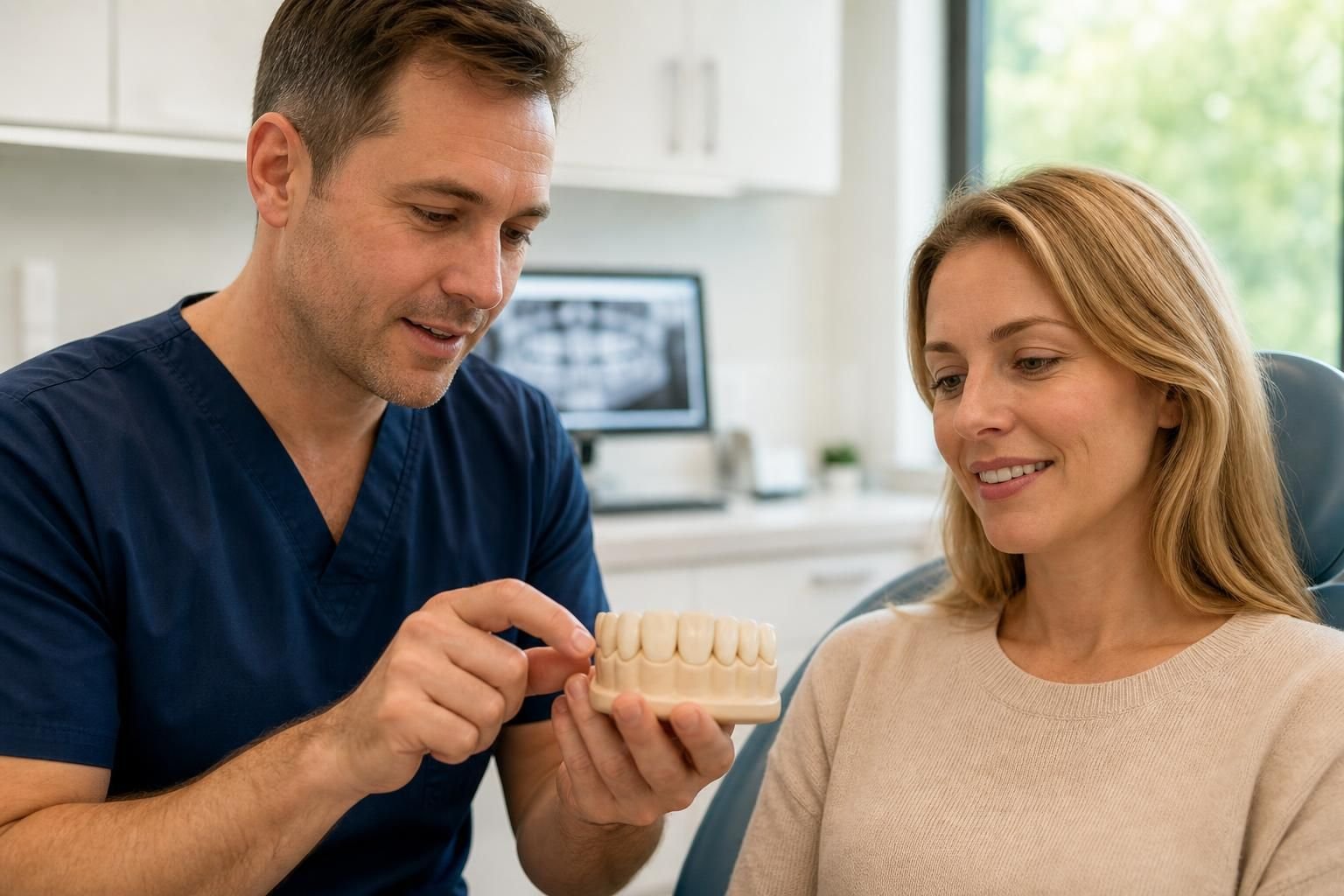
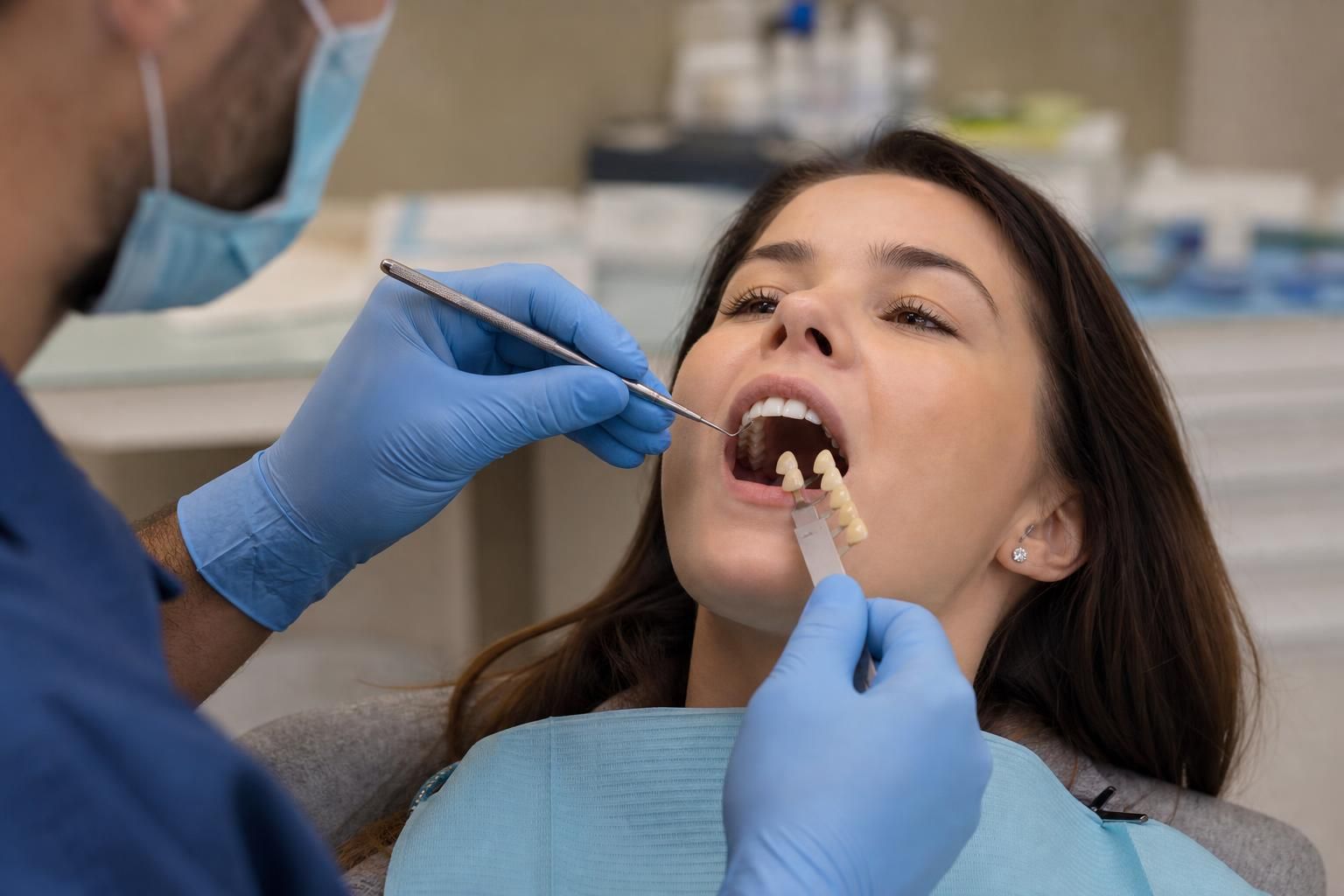
Before treatment, assessment matters a lot. Your dentist checks tooth wear, bite pressure, enamel, sensitivity, and jaw movement. They may also take photos, scans, or impressions.
Planning can include a wax-up and try-in. A wax-up previews the planned tooth shape. A try-in lets you see and test the shape before final bonding.
What the Procedure Involves
The tooth is cleaned, lightly prepared, and treated with bonding agents. Then composite resin is layered, shaped, hardened, and polished.
Many cases need little or no tooth preparation. That’s a big appeal of bonding. It can often preserve more natural tooth structure than veneers or crowns.
What Bonding Can Realistically Fix
Bonding can rebuild worn edges, close small chips, improve tooth shape, and improve appearance. It can also reduce rough edges that catch your tongue.
It can’t cure bruxism, replace badly lost structure, or handle every bite force. If the bite overloads the resin, filling loss or material wear can happen.
Who is a Good Candidate for Bonding?
A good candidate for bonding has mild to moderate wear, stable oral health, and bite forces that can be managed. The goal is repair plus protection.
Dentists don’t judge suitability on appearance alone. They look at how much tooth structure remains. They also check whether the teeth meet in a way that overloads the bonding.
- Your worn teeth still have good length and support
- Sensitivity is mild or controlled
- Chips are small or moderate
- Your bite doesn’t feel unstable
- You’re willing to use a night guard if advised
- You can keep up with reviews and maintenance
Cost also depends on case size, planning, tooth number, and the provider. It’s best treated as a planning topic, not a fixed quote.
Mild to Moderate Wear
Bonding often suits mild front-tooth edge wear from night grinding. It can restore the edge without removing much enamel.
It may also work for generalized enamel wear with some sensitivity. The key is enough healthy tooth structure. The dentist may use composite build-ups across several teeth.
When Bonding May Not Be Suitable
Bonding may not be suitable when wear is advanced, the bite is unstable, or tooth structure is too weak. Severe tooth loss of structure needs stronger planning.
It may also fall short when untreated bruxism is heavy. If you keep overloading the resin, it may chip, thin, or break. Another restorative option may be safer.
Pros and Cons of Dental Bonding for Ground Teeth
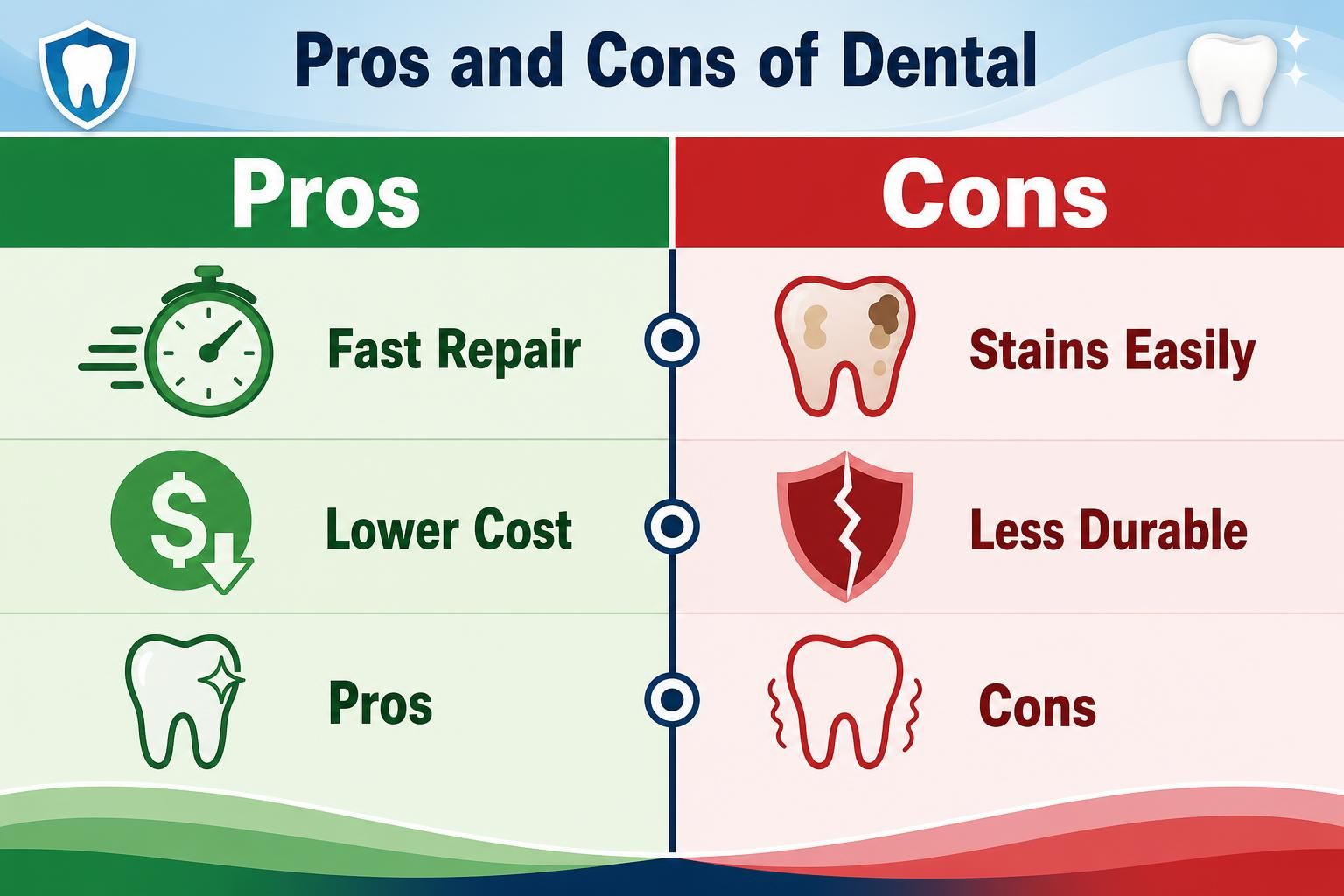
Dental bonding for ground teeth is conservative and repairable, but it depends heavily on bite control. That’s the honest tradeoff.
The good news is that composite resin can be shaped well. It can look natural and rebuild worn edges without major drilling. Many people like that it keeps treatment simple.
Bonding also has limits. Composite isn’t as strong as natural enamel, veneers, or crowns in every case. It can stain, chip, or wear over time.
- Often needs little or no tooth preparation
- Can restore tooth shape quickly
- Can be repaired if chipped
- Works well for smaller worn edges
- Helps test a new tooth shape before larger treatment
- Can chip under heavy bite forces
- May wear faster in bruxism cases
- Needs polishing and maintenance
- May stain at the edges
- Isn’t ideal for severe tooth wear
Here’s the key point. Bonding longevity is less about the material alone. It’s also about your bite, habits, night guard use, and follow-up care.
Bonding vs Veneers, Crowns, and Build-Ups
Bonding is usually best for conservative repair, while veneers and crowns suit different levels of wear and tooth damage. No single option wins every case.
For worn teeth, the choice depends on tooth structure, bite pressure, aesthetics, and long-term care. A dentist may also suggest mixed treatment options. For example, front teeth may need bonding, while one badly broken tooth may need a crown.
| Option | Best for | Tooth preparation | Key limit |
|---|---|---|---|
| Composite bonding | Mild to moderate worn edges | Little or none | Can chip under heavy force |
| Composite build-ups | Wider enamel wear with enough support | Usually conservative | Needs careful bite planning |
| Veneers | Aesthetic front-tooth changes | Some preparation often needed | Not ideal for every grinding bite |
| Crowns | Advanced damage or weak teeth | More preparation | Less conservative |
Composite build-ups are still bonding, but on a larger scale. They can rebuild several worn teeth and improve how the bite meets. That’s why planning and trial shapes matter.
Veneers are thin coverings for the front surface of teeth. They can look excellent, but they’re not always the best first choice for grinding wear. Bite forces can still cause damage.
Crowns cover more of the tooth. They may be needed when wear is too advanced for bonding alone. That can happen when teeth are very short, cracked, or heavily restored.
Indirect bonding or lab-made composite veneers may sit between these options. They can help some cases, but they still need the right bite plan.
How to Protect Bonded Teeth After Treatment
Bonded teeth last longer when bite pressure, habits, and daily care are managed from the start. Protection is part of the treatment, not an extra.
If your bite feels uneven after bonding, don’t ignore it. A high spot can overload one tooth and damage the resin. Call your dentist for a review before the bonding is stressed.
Daily care matters too. Brush gently, clean between teeth, and avoid using teeth as tools. Hard foods, ice chewing, nail biting, and pen chewing can all damage composite.
Watch for early warning signs. Rough edges, new chips, sensitivity, or a bite that feels off should be checked. Small repairs are usually easier than larger failures.
Night Guards and Bite Management
A night guard can protect bonded teeth from night grinding. It spreads force and reduces direct wear on the composite resin.
Your dentist may call it a protective appliance. It needs to fit your bite well. If it feels uncomfortable or changes your bite, have it adjusted.
Maintenance and Lifespan
Bonding lifespan varies because every bite is different. Heavy bruxism, acid erosion, and poor oral hygiene can shorten the result.
Maintenance may include polishing, small repairs, and bite adjustments. You’ll also need regular reviews. If material wear or filling loss appears, early repair helps protect the tooth.
Dental bonding for grinded teeth can be a smart, conservative choice when wear is limited and your bite is controlled. It’s especially useful for small chips, worn front edges, and cases where you still have strong tooth structure.
The next step is a proper assessment. Ask your dentist about wear severity, bite forces, wax-up planning, night guard protection, and alternatives. If bonding fits your case, it can restore shape and comfort while keeping treatment as conservative as possible.