
A diastema is a gap between teeth, often seen between the front incisors. Dental bonding for gapped teeth can close small spaces with tooth-colored composite resin, especially when the gap is mostly cosmetic, the teeth are healthy, and the bite is stable.
Bonding can look great in the right case, but it is not magic. Larger gaps, tilted teeth, or bite alignment problems may need orthodontics instead. If a gap appears after trauma, pain, gum swelling, or a loose tooth, schedule dental care promptly. Below, you’ll learn how bonding works, what it may cost, how long it lasts, and when braces, Invisalign, or veneers may fit better.
What Dental Bonding for Gapped Teeth is
Dental bonding for gapped teeth is a cosmetic treatment that adds tooth-colored composite resin to close visible space. The resin is shaped directly on the enamel and color matched to blend with nearby teeth.
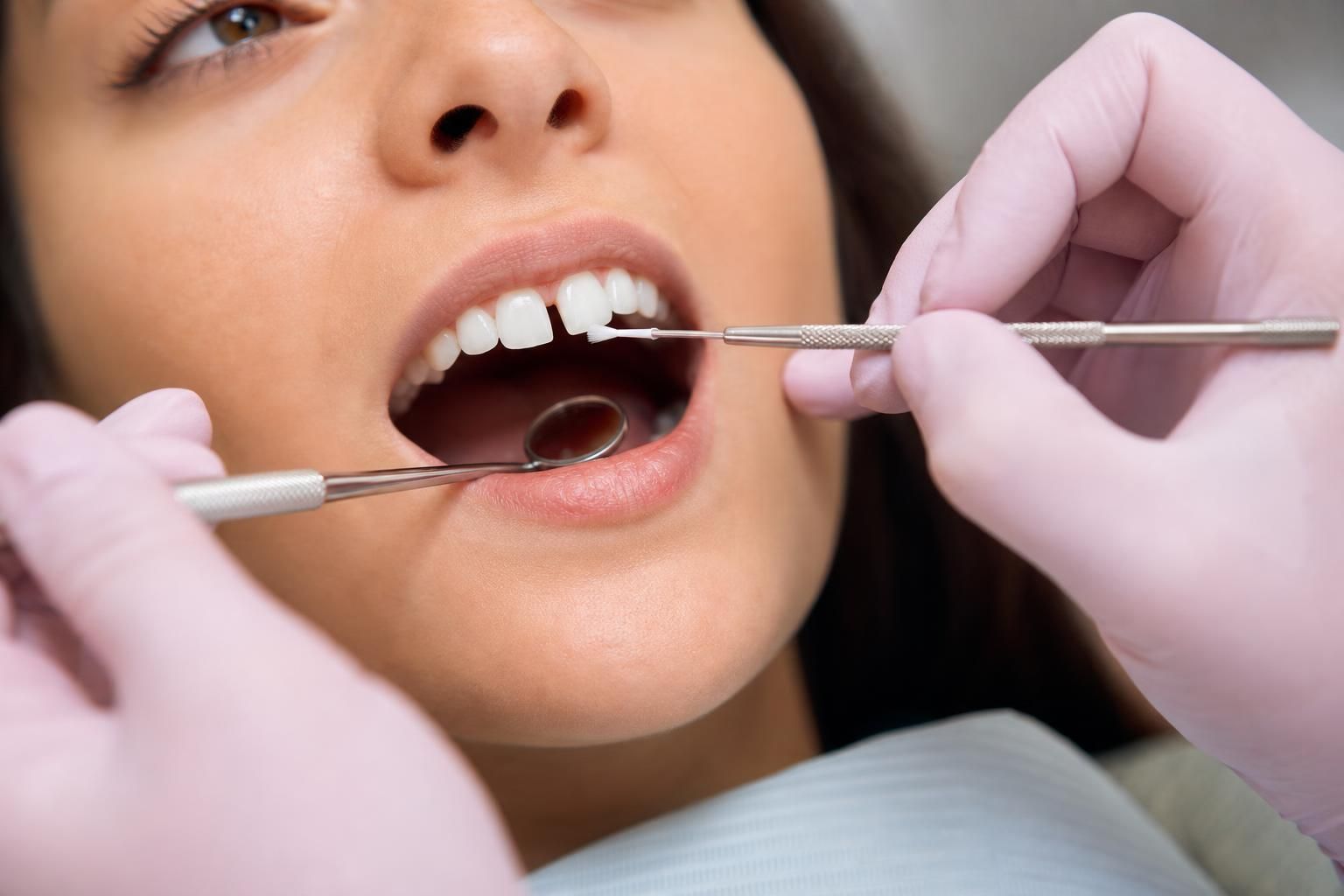
Most cases use direct bonding, also called composite bonding. Indirect bonding is made outside the mouth and attached later. For simple spacing, direct bonding is usually the standard approach.
Bonding is minimally invasive. It often needs little or no drilling, and many cases need no anesthesia unless decay or sensitivity is involved.
How Bonding Closes Gaps Between Teeth
Bonding closes gaps by widening the visible sides of nearby teeth with carefully shaped resin. For a front teeth gap, the dentist usually adds material to both incisors. That helps the final result look balanced.
The goal is not just filling space. It is creating a custom fit that matches tooth width, curve, edge shape, and shade. A shade guide helps the dentist choose the closest resin color. Before-and-after photos can also help you set realistic goals.
Modern composite resin can be layered and polished well. Still, it is technique-sensitive. Sculpting, curing, and polishing all affect the natural appearance.
Small Gaps vs Larger Gaps
Small gaps are the sweet spot for bonding because each tooth needs only a little added width. A tiny space between front teeth can often close cleanly.
A wider gap between incisors can be harder. Too much resin may make teeth look bulky or square. If the gap comes from bite alignment, orthodontics may be smarter.
What Happens During the Procedure
The dentist first cleans the tooth surface and checks the shade. Then comes light tooth preparation, usually with surface roughening.
Next, etching gel and a bonding agent help resin stick. The dentist applies resin in layers, sculpts it, cures it with a curing light, then uses polishing tools.
Who is a Good Candidate for Bonding
A good candidate has a small cosmetic gap, healthy enamel, and enough tooth shape to support resin. Bonding works best when teeth are mostly straight and the bite does not hit the area too hard.
Candidacy depends on an in-person exam of your bite, enamel, gum health, tooth position, and the cause of the gap. For example, a small inherited front-tooth space may be simple to bond, while a gap caused by gum disease, tooth movement, or tongue pressure may need a different plan first.
It suits people who want a quick cosmetic fix and prefer to avoid braces or veneers. Dentists also check habits like nail biting, chewing ice, grinding, and staining because these can shorten results.
When Bonding May Not Look Natural
Bonding may not look natural when too much width must be added. Large gaps can make teeth look oversized.
It can also struggle when one tooth is much shorter, darker, or rotated. In those cases, veneers or orthodontics may create better balance. Shade matching matters most on front teeth.
Cost and How Long Results Last
Dental bonding for gaps is commonly estimated at about $100 to $600 per tooth in many dental offices, but this is only a planning range. Your exam-based quote may differ by location, dentist, tooth condition, materials, number of teeth treated, bite adjustment needs, and how much shaping or color matching is required.
Ask for: per-tooth fee, total teeth treated, whitening timing, bite-adjustment needs, and repair or polish costs.
Bonding often lasts several years with good care, but it is not permanent. Resin can stain, chip, and wear faster than porcelain, so polishing or repairs may be needed.
Before booking, ask a few practical questions: How many teeth need bonding? Does the fee include polishing or minor reshaping? Should whitening be done first? Could grinding, an edge-to-edge bite, or heavy front-tooth contact shorten the result?
Pros, Cons, and Maintenance
Bonding is popular because it can close small gaps quickly with little tooth change. It is usually less invasive than veneers and preserves more natural enamel.
The downside is durability. Composite resin is less stain-resistant and not as strong as porcelain. Coffee, tea, red wine, smoking, and dark sauces can discolor it. Edges may also chip from hard biting.
Brush and floss daily, avoid using front teeth to bite hard objects, and wear a night guard if you grind. Schedule polishing if the surface dulls and ask for repairs early. Minor roughness or bite changes can happen at first.
Bonding vs Braces, Invisalign, and Veneers
Bonding, braces, Invisalign, and veneers solve different gap problems. Bonding changes tooth shape. Braces and clear aligners move teeth. Veneers cover the front surface for a broader smile makeover.
| Treatment | Best for | Tooth change | Planning cost range | Main limit |
|---|---|---|---|---|
| Dental bonding | Small cosmetic gaps | Adds composite resin | About $100 to $600 per tooth | Can stain or chip |
| Braces | Spacing plus bite issues | Moves teeth | Often about $3,000 to $7,000 total | Longer treatment |
| Invisalign or clear aligners | Mild to moderate spacing | Moves teeth | Often about $3,000 to $8,000 total | Needs daily wear |
| Porcelain veneers | Shape, color, and gap changes | Covers front enamel | Often about $900 to $2,500 per tooth | More tooth preparation |
These are planning ranges, not guaranteed quotes. They reflect common provider and package patterns, and readers should verify current pricing, scope, deliverables, and market conditions before purchase.
These are rough planning ranges, not guaranteed quotes. Fees vary by market, provider, materials, case complexity, and what is included.
Choose bonding when tooth positions are already good. Choose braces or Invisalign when spacing is tied to bite problems or rotated teeth. Clear aligners may suit adults who want removable orthodontics.
Veneers may fit when you want a larger front-tooth change. They can improve shape, color, and symmetry together, but usually require more enamel preparation than bonding.
Crowns and implants are not typical fixes for a healthy tooth gap. Crowns restore damaged teeth. Implants replace missing teeth. They are not interchangeable with cosmetic gap bonding.
Common Questions About Gap Bonding
Can bonding close any gap. No. It works best for small gaps when teeth are well positioned. Larger spaces may need braces, Invisalign, or another orthodontic plan.
How long does treatment take. A simple case is often done in one visit. More teeth, custom shading, or bite adjustments can take longer.
Will front teeth look natural. Often yes, if the dentist matches shade, contour, and polish well. Ask to see similar before-and-after cases.
Is bonding permanent. No. It is a repairable cosmetic material, so your dentist can polish, reshape, or patch it later if needed.
Seek urgent care if a gap appears after injury, or if you have pain, swelling, bleeding gums, or a loose tooth.
Before deciding, have a dentist check your bite, enamel, tooth shape, gum health, and gap size.