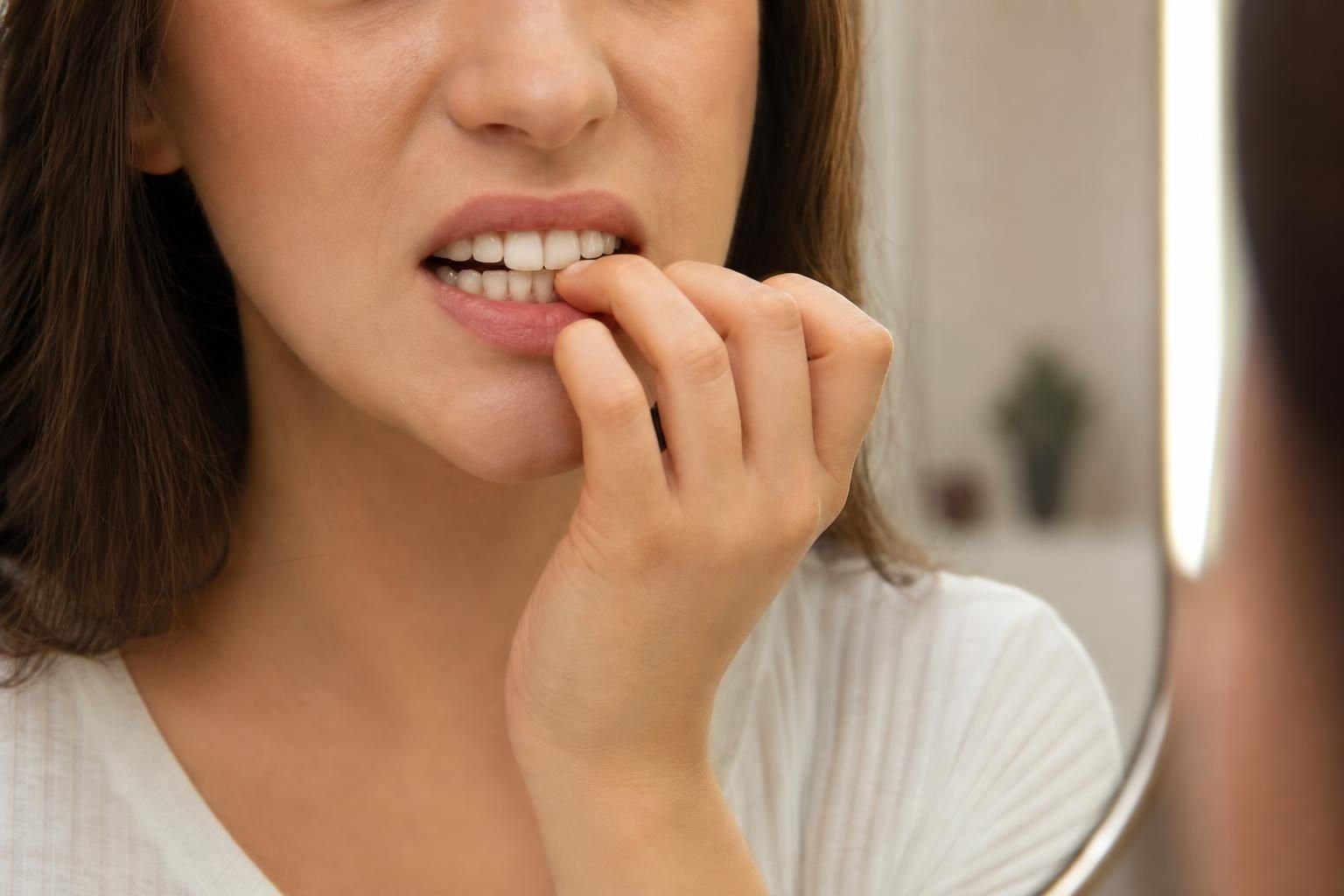
You really shouldn't bite nails with dental bonding. It may feel harmless, but nail biting puts sharp, uneven pressure on the bonded edges. That can cause chips, cracks, staining, or early wear.
Dental bonding is strong enough for normal smiling, speaking, and careful eating. It's not made to handle habits like nail biting, chewing pens, or cracking hard foods. Here's the thing: bonded teeth can last well with good care. But small daily habits matter a lot. In this guide, we'll walk through why nail biting is risky, how bonding works, how to protect it, and when to call your dentist.
The Short Answer
No, you should not bite your nails with dental bonding, especially on front teeth. Bonding uses composite resin over the tooth surface. It can look natural and fix chips, gaps, discoloration, and uneven edges, but it does not become enamel. If you keep biting nails after bonding, you put the thinnest edge under the most stress, which raises the risk of chips and failure.
Why Nail Biting Can Damage Dental Bonding
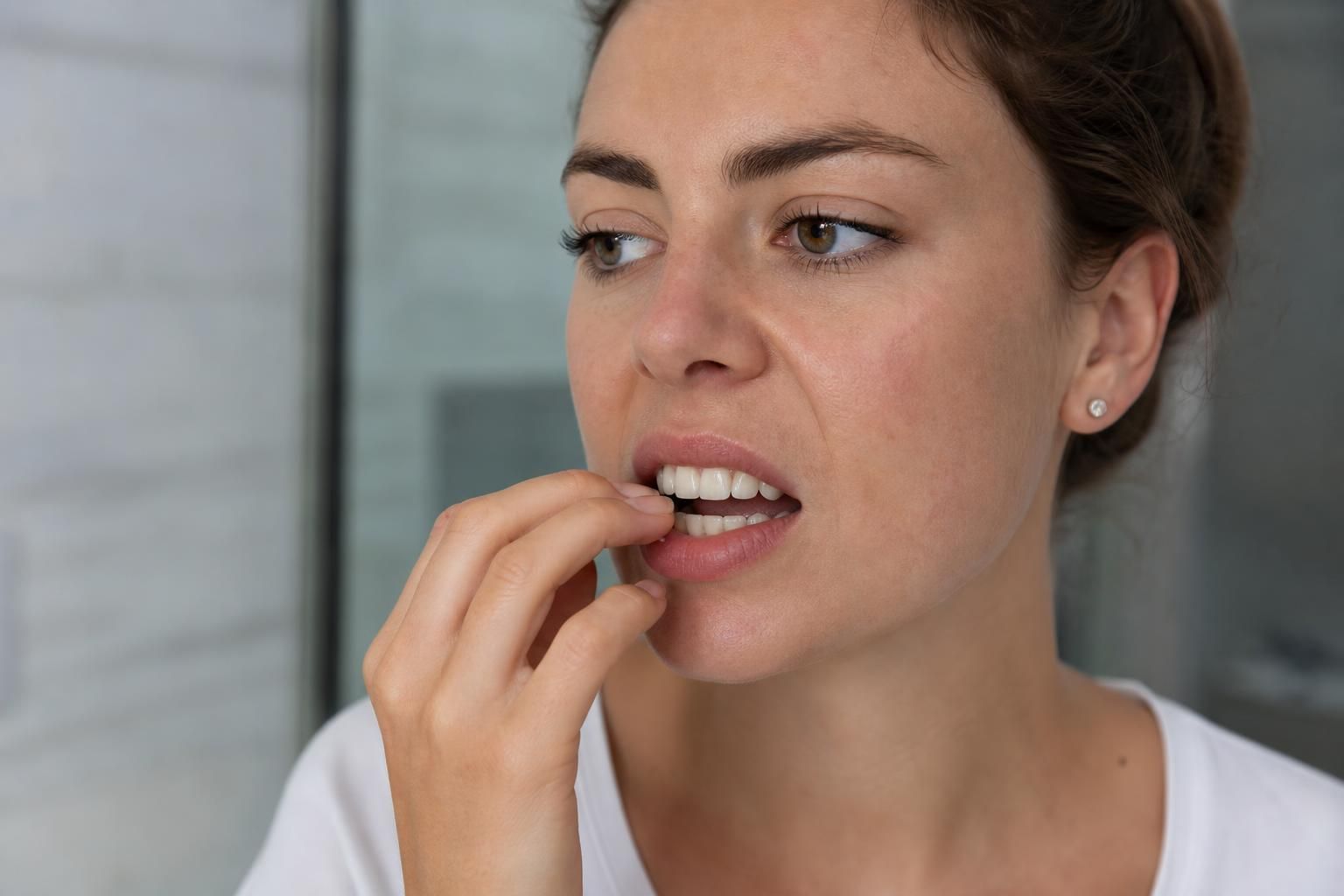
Nail biting can damage dental bonding because it puts force on front edges in the wrong direction. The resin-enamel margin can lift, stain, or chip with repeated stress. Clenching and grinding increase the risk. Bonding is not weak, but it is not designed for tearing nails or chewing hard objects.
Pressure on Bonded Edges
Bonded edges are thin and vulnerable to repeated pressure. Nail biting pushes on them at sharp angles, which can weaken the bond and cause visible chips, especially on front teeth.
Risk of Chips, Cracks, and Staining
Hard pressure on one small area can chip or crack bonding. Once a rough spot forms, stains collect faster. Coffee, tea, red wine, dark sauces, and smoking can worsen discoloration.
What Happens if You Bite Nails With Bonded Teeth
If you bite nails with bonded teeth, the bonding may chip, crack, loosen, or stain sooner than expected. The first sign may be a rough edge that catches your tongue.
Sometimes the change is tiny. You may notice one tooth looks shorter, duller, or less smooth. Other times, a visible piece breaks off while biting a nail or eating something hard.
A newly bonded tooth that feels sensitive after eating can happen for a few reasons. The bite may need a small adjustment. The bonded edge may also have a minor chip.
| Issue | What it may mean | What to do |
|---|---|---|
| Tiny rough edge | Minor surface wear | Book a non-urgent check |
| Small chip | Bonding may need repair | Avoid chewing there |
| Loose-feeling bonding | Bond may be failing | Call your dentist |
| Pain with swelling | Possible deeper problem | Seek prompt care |
How to Protect Dental Bonding Every Day
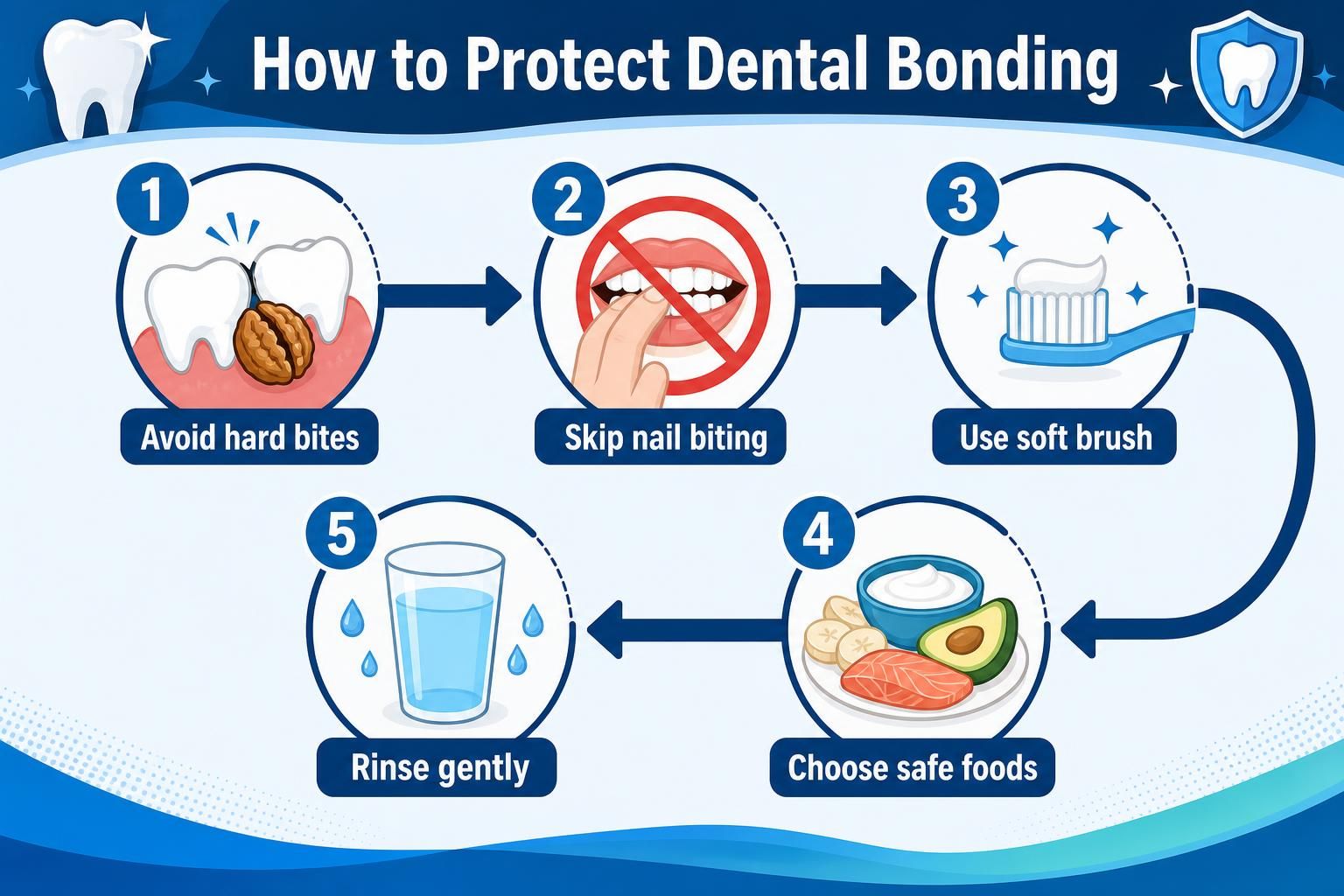
Protect dental bonding by reducing pressure, stains, and rough habits. Brush twice daily with a soft toothbrush and floss gently around bonded teeth. Keep regular dental visits so weak edges can be polished or checked early. If you clench or grind, ask about a night guard. To stop nail biting, keep nails short and use a substitute habit.
Foods and Habits to Avoid
Avoid biting nails, pens, ice, packaging, and hard sweets. Be careful with nuts, popcorn kernels, and very sticky sweets that can chip or pull at bonding.
Safe Oral Care Habits
Eat normally once your dentist says you can, but use back teeth for hard foods. Cut crunchy foods smaller, rinse after dark drinks, and use non-abrasive toothpaste.
How Long Dental Bonding Usually Lasts
Dental bonding usually lasts several years, but the exact lifespan depends on your bite, habits, care, and material quality. Strong daily aftercare can help it last longer.
Bonding on front tooth edges may wear faster than bonding on less stressed areas. Nail biting, clenching, grinding, chewing hard foods, and poor daily oral hygiene can all shorten its life.
Cost and value also depend on the case. Per tooth pricing can vary by regional pricing, London pricing, dentist experience, and material quality. A small cosmetic fix may feel very worthwhile. A full smile makeover may need a different plan.
| Treatment | Durability feel | Maintenance | Best fit |
|---|---|---|---|
| Composite bonding | Good with care | Polishing and repairs | Small chips, gaps, shaping |
| Veneers | Usually more stain-resistant | More involved replacement | Larger cosmetic changes |
| Bonding and veneers | Case-by-case | Planned checkups | Multi-tooth smile makeover |
Bonding vs veneers isn't just about strength. Veneers can be a better fit for major color or shape changes. Bonding can be better for a smaller, more conservative repair.
Signs Your Bonding Needs Repair
Bonding may need repair if it feels rough, looks chipped, changes color, or feels loose. Small problems are easier to fix early, often with added composite and polishing. Ongoing sensitivity also matters, especially sharp pain or pain when biting. Watch for these signs.
- A rough edge that catches your tongue
- A visible chip or line in the bonding
- Discoloration around the bonded edge
- Pain when biting down
- Bonding that feels loose or raised
- A change in how your teeth meet
If bonding keeps breaking in one spot, your bite may be causing the damage.
When to Call Your Dentist
Call your dentist if bonding chips, cracks, feels loose, hurts, or looks stained at the edge. Small chips are not always emergencies, but avoid biting on that tooth until it is checked. If the edge feels sharp, cover it with orthodontic wax and do not file it yourself. Call sooner for pain, swelling, bleeding, or a tooth that feels unstable, especially after trauma. A newly bonded tooth that feels high when you bite may need a simple adjustment. Minor damage is often repairable, but larger cracks or repeated failure may need replacement.
FAQs About Dental Bonding and Nail Biting
The most common questions come down to daily habits, durability, and what to do after damage. The good news is that bonding is manageable when you know its limits.
These answers are short, but they're practical. Use them as a quick guide, then ask your dentist about your own bite and bonding location.
Can You Eat Normally After Composite Bonding?
Yes, usually. Avoid using bonded teeth on very hard foods. Cut crunchy foods smaller, chew with back teeth when possible, and avoid ice, nail biting, and sticky sweets.
Is Dental Bonding Painful?
Dental bonding usually isn't painful because it often needs little tooth preparation. Many cases don't need numbing. You may feel mild tooth sensitivity afterward, especially if the repair is near an edge. That should be checked if it feels sharp, lasts, or gets worse.
Can Composite Bonding Be Repaired?
Yes, minor chips or cracks can often be repaired with new composite resin. Replacement may be better if the bonding is loose, badly stained, repeatedly breaking, or mismatched.
What Causes Dental Bonding to Fail Early?
Early failure often comes from nail biting, teeth grinding, clenching, hard foods, sticky foods, or strong bite force. Poor oral hygiene can also stain the edges. Sometimes the bite needs adjustment. If one spot keeps chipping, the cause is usually pressure, not bad luck.
Is Bonding Worth it Compared With Veneers?
Bonding is often worth it for small cosmetic fixes like chips, gaps, and minor shape changes. Veneers may be better for larger changes or a full smile makeover. Bonding is more conservative and easier to repair, while veneers are usually more involved. The right choice depends on your goals, bite, and budget. Nail biting still puts bonding at risk for chips, cracks, stains, and early repairs.
If you already have bonding, the safest approach is simple: stop biting your nails and treat bonded edges like a cosmetic repair, not a tool. Small changes in habit can make a big difference in how long the bonding stays smooth, secure, and natural-looking.
If you notice a rough edge, new sensitivity, or a small chip, book a dental check before the damage gets worse. Early polishing or repair is often easier than waiting for a larger break.