
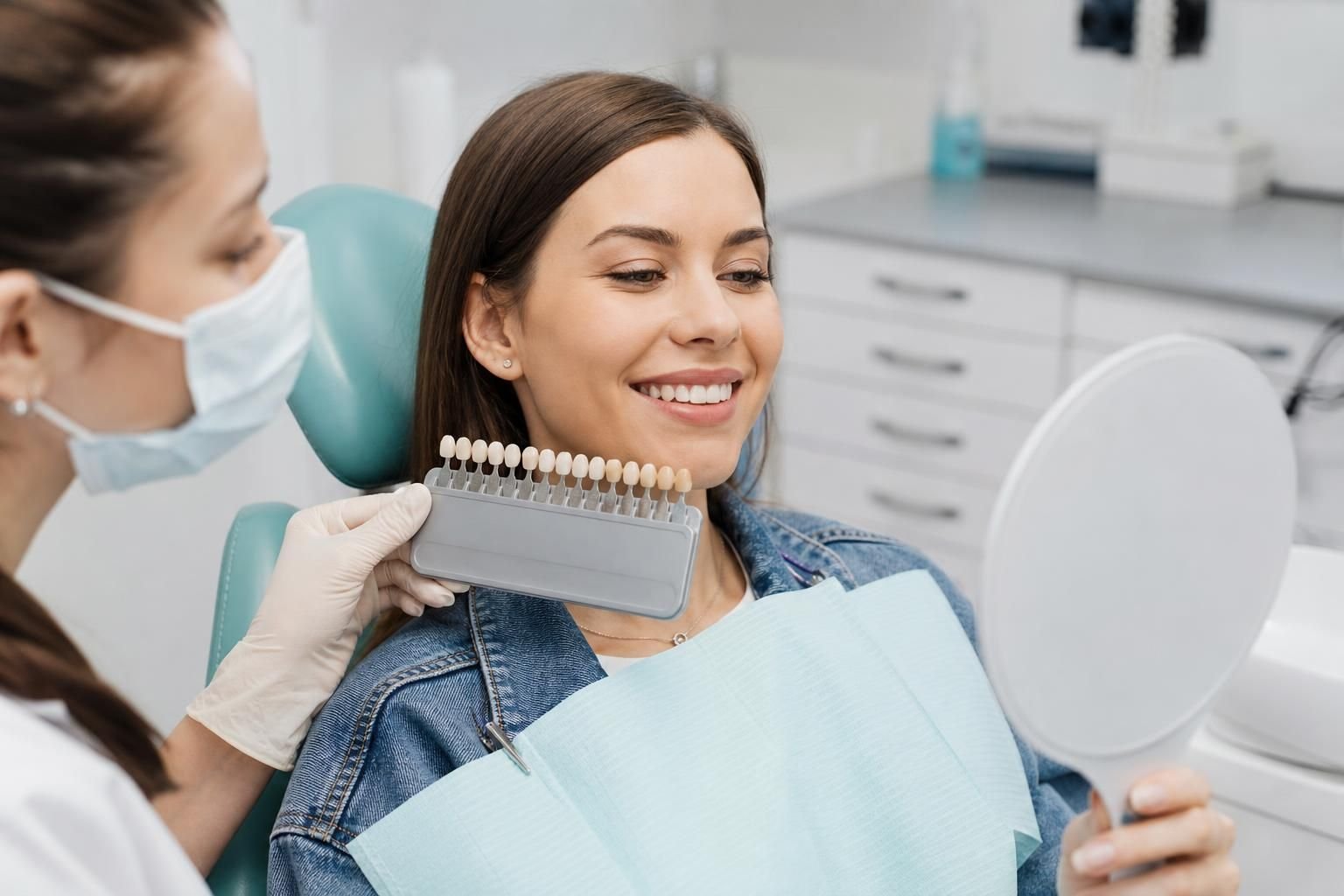
Dental bonding before and after pictures can show how small changes create a cleaner, more balanced smile. They’re most helpful when you know what you’re looking at.
Dental bonding, also called composite bonding, uses tooth-colored composite resin placed on tooth enamel. It can repair chips, close small gaps, reshape edges, and mask mild discoloration. Still, photos don’t tell the whole story. They show the cosmetic result, not the bite, tooth health, or long-term care needs.
What Dental Bonding Can Fix
Dental bonding fixes minor cosmetic issues without changing the whole tooth. It is often used on front teeth because shade-matched resin can blend well.
The dentist shapes composite directly on the tooth, then hardens and polishes it to match the natural contour.
Chipped Teeth
Bonding works well for small chips, shallow cracks, and minor tooth damage. In before and after photos, you’ll often see a broken edge restored to a smooth line.
Gaps, Uneven Edges, and Shape Issues
Bonding can close small gaps and improve tooth shape, tooth length, or tooth width. It’s also useful when uneven front teeth need light tooth reshaping.
Dental Bonding Before and After Pictures by Case Type
Before and after photos show specific cosmetic changes, not one universal result. The best galleries label each case clearly.
Useful galleries may include single-tooth bonding, multi-tooth bonding, and mild stain masking. Testimonials can help, but case photos matter more.
Front Tooth Chip Repair
A front tooth chip repair is often shown with close-up photos. The after photo should show a smooth edge, a good color match, and no bulky patch.
Gap Closing and Reshaping
For gap closing, look for balanced spacing across the smile. In a reshaped front teeth case, the after photo should look even, not too square.
What to Look for in Before and After Photos
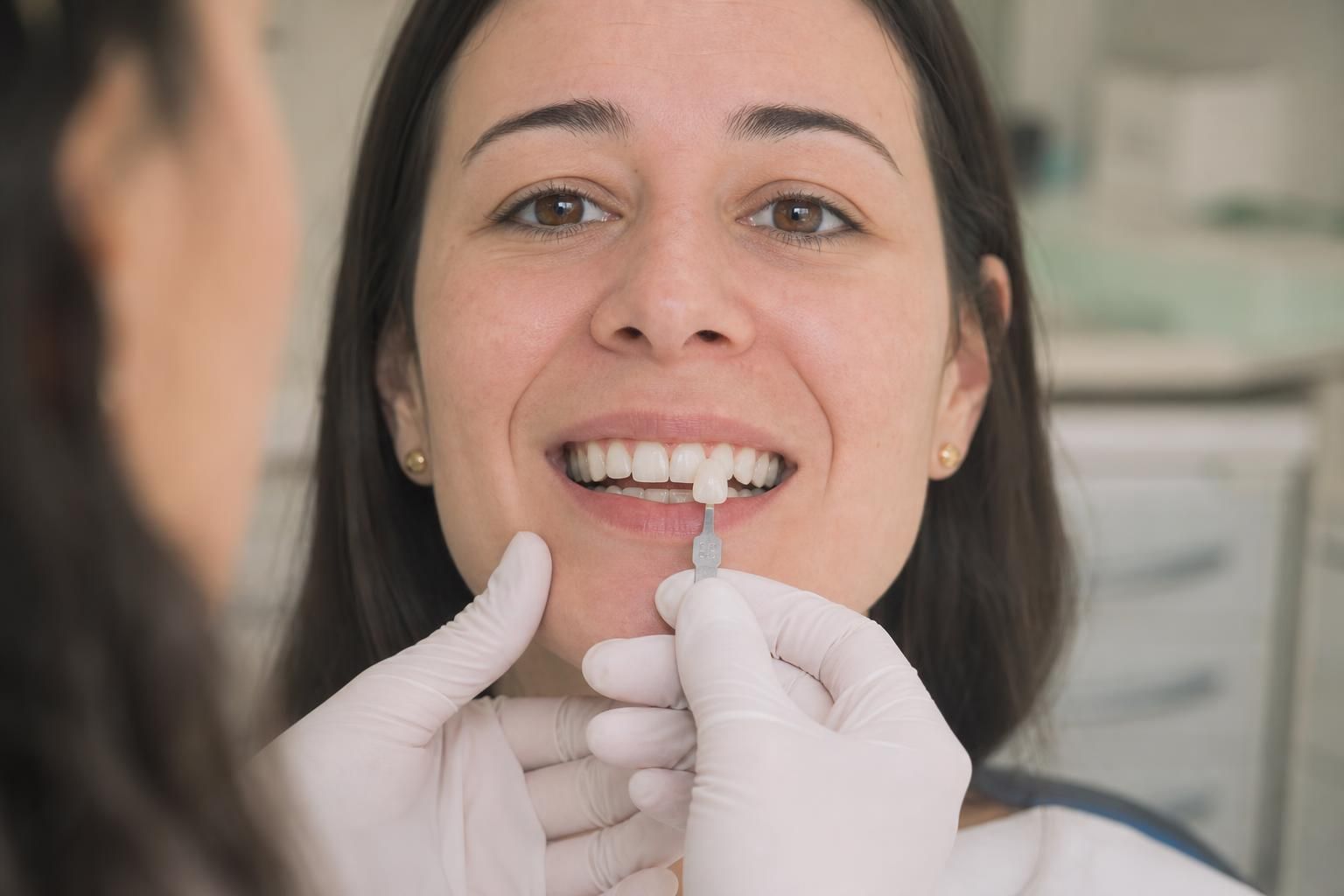
Good before and after photos should help you judge color, shape, texture, and balance. They shouldn’t feel like a filtered smile makeover ad.
Check whether the photos use similar angles, lighting, and lip position. If the before photo is dark and the after photo is bright, it’s harder to compare fairly.
Color Match and Symmetry
The bonded tooth should match nearby teeth in shade and brightness. For stain masking or discoloration, the result should blend in naturally.
Edge Shape and Natural Texture
Look at the biting edges and surface texture. Great bonding has smooth edges, soft shine, and small natural details that stop it looking flat.
How Dental Bonding Changes Your Smile
Dental bonding changes your smile by adding shape, width, length, or coverage where needed. Small repairs can still look dramatic.
The procedure is usually simple: shade selection, light enamel prep, resin placement, shaping, curing, and polishing.
It can fix one chipped tooth or improve several front teeth. Still, bonding may not suit large cracks, major spacing, heavy bite issues, or cases needing gum reshaping.
How Long Dental Bonding Results Last
Composite bonding can last for years, but durability depends on care, bite forces, and location. Front edges take daily stress.
Bonding can stain, chip, or wear faster than porcelain. Coffee, smoking, nail biting, and grinding may shorten its lifespan.
It is often repairable, though. Photos show appearance at one moment, so ask how results held up later.
Bonding vs Veneers in Before and After Results
Bonding gives faster, smaller cosmetic changes, while veneers usually create a more complete smile redesign. The better choice depends on tooth condition and goals.
Veneers can cover more color, shape, and size issues. Bonding keeps changes more focused. Crowns, bridges, and grafting solve different problems entirely.
| Treatment | Best for | Tooth change | Photo result |
|---|---|---|---|
| Bonding | Small chips, gaps, stains | Adds resin to enamel | Subtle, natural repair |
| Veneers | Larger cosmetic changes | Covers front surface | More uniform smile |
| Crowns and bridges | Weak or missing teeth | Covers or replaces teeth | Bigger structural change |
| Grafting | Gum or tissue issues | Builds soft tissue | Changes gum balance |
Crowns are often used when a tooth needs strength, not just beauty. Bridges replace missing teeth and change the smile more widely.
Grafting is different again. It may help when gum levels or exposed roots affect the look. Bonding won’t fix those tissue concerns.
Questions to Ask Before Getting Dental Bonding
Ask questions about your teeth, not just someone else’s before and after photos. Bonding results depend on your bite, enamel, and cosmetic goals.
Ask your dentist what bonding can and cannot do in your case. Bring inspiration photos, but stay open to other treatments.
- Is bonding right for my front teeth?
- Can it close my gap without making teeth look too wide?
- Will the resin match my natural shade?
- Do I need veneers, crowns, bridges, or grafting instead?
- How do I care for bonded teeth?
- What if the bonding chips or stains?
Also ask to see similar cases. Photos help most when you compare the same problem type and ask what is realistic for your smile.