
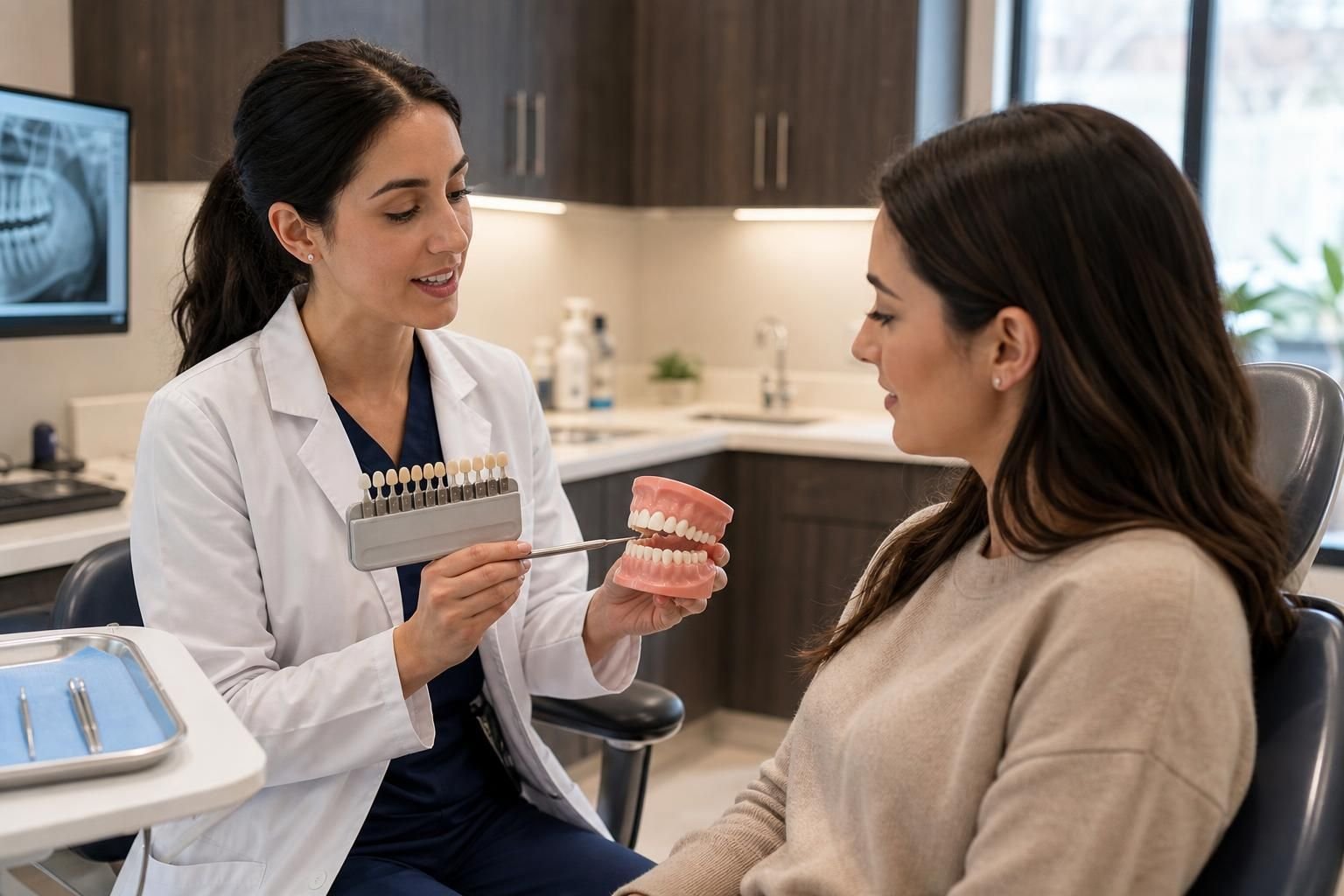
Dental bonding usually costs $100 to $600 per tooth as a general planning range. A small front-tooth chip may sit near the lower end. A larger cosmetic repair on several visible teeth can cost much more.
Type | Typical planning range Small chip repair | $100-$300 per tooth Larger cosmetic bonding | $300-$600+ per tooth Multiple teeth | Per-tooth cost, plus any prep costs.
These aren’t quotes. Prices vary by market, dentist, scope, tooth condition, resin materials, labor, and availability. Confirm current pricing with your dentist before booking. Compare exam fees, X-rays, cleaning, whitening, insurance coding, and follow-up polishing.
Average Dental Bonding Cost Per Tooth
Dental bonding usually runs about $100 to $600 per tooth as a planning range. A tiny edge chip costs less than reshaping a visible front tooth with layered composite resin.
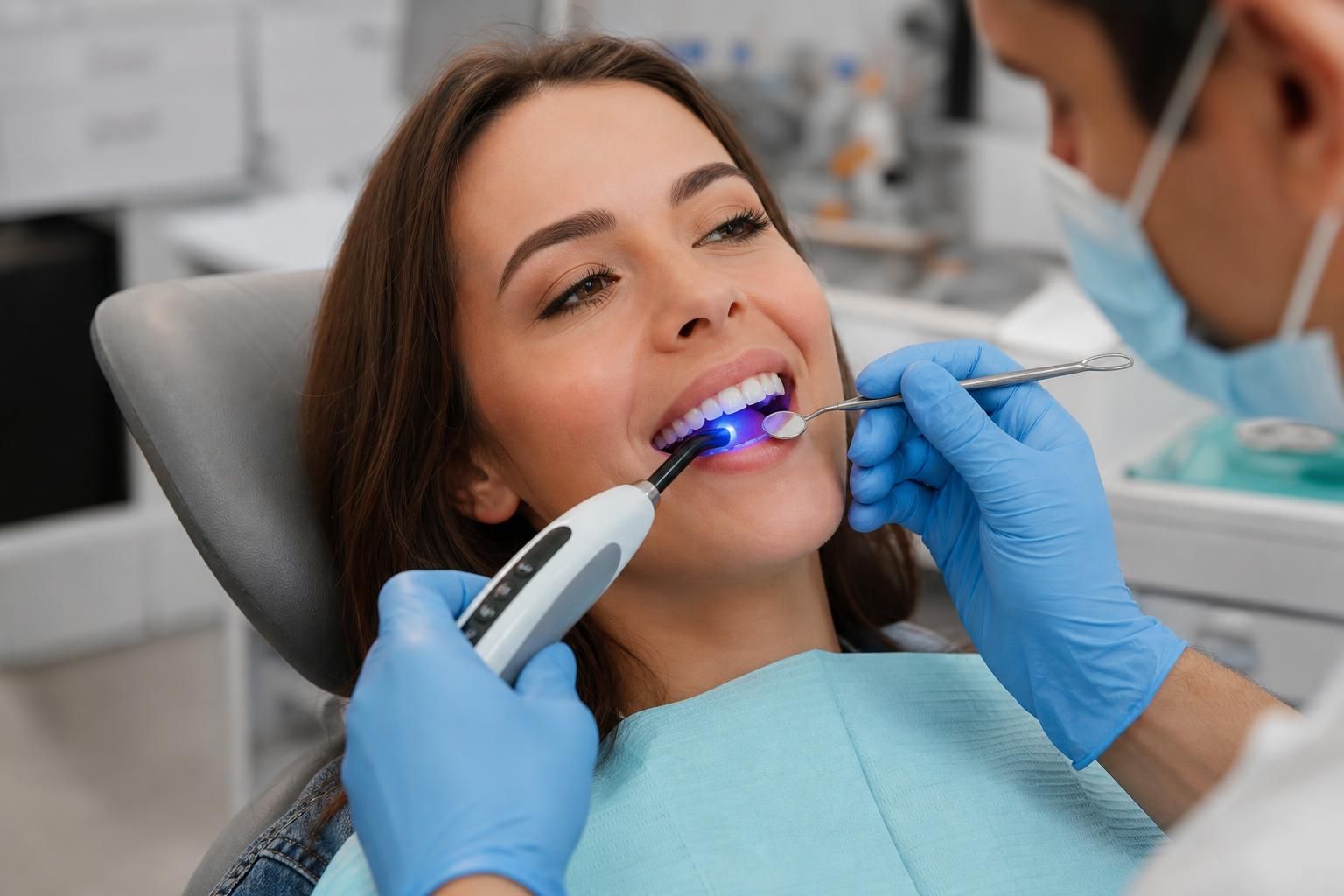
| Cost item | Typical range | What it usually includes | Watch-outs |
|---|---|---|---|
| Small chip repair | $100-$300 per tooth | Minor composite resin repair | Shade matching may add time |
| Cosmetic front-tooth bonding | $300-$600+ per tooth | Shaping, bonding, polishing | Visible teeth need more detail |
| Multiple bonded teeth | $100-$600+ per tooth | Per-tooth bonding work | Prep costs may be separate |
| Consultation or exam | $50-$200+ | Dentist visit and treatment plan | Often billed before bonding |
These are planning ranges, not guaranteed quotes. They reflect common provider and package patterns, and readers should verify current pricing, scope, deliverables, and market conditions before purchase.
These are general planning ranges, not quotes. Actual prices vary by market, dentist, clinic, scope, tooth condition, materials, labor, and availability, so confirm a current estimate with your provider before booking.
What Affects the Cost of Dental Bonding?
Number of Teeth Treated
The number of teeth treated changes the total more than the cost per tooth. A single small chip on one front tooth is usually a simpler dentist visit. Bonding several visible teeth takes more chair time, color matching, shaping, and polishing.
That said, some clinics may price multiple bonded teeth a bit differently. Others charge the same per tooth, especially when each tooth needs detailed cosmetic dentistry. Ask if the quote includes prep, isolation, contouring, and final polish for every tooth.
Complexity and Amount of Resin
Repair size matters because dental bonding uses composite resin placed directly on the tooth enamel. A tiny edge chip may need only a small amount of resin. A larger repair may need layering, detailed shaping, and more bite adjustment.
Procedure complexity also rises when the tooth condition isn’t ideal. Decay, cracks, worn enamel, gum issues, or poor oral health may need care before the bonding procedure starts.
Tooth location matters too. Front teeth and visible teeth often cost more because shade matching has to look natural. A dentist may spend extra time blending the repair so it doesn’t stand out.
Dentist experience and practice location can also shift pricing. A cosmetic-focused dentist in a higher-cost state, district, or city may charge more than a general clinic in a lower-cost area.
Does Insurance Cover Dental Bonding?
Most dental insurance won’t cover dental bonding if it’s done only for cosmetic dentistry, like closing a small gap or changing tooth shape. If the bonding procedure repairs damage, your plan may help.
When Bonding May Be Covered
Coverage is more likely when dental bonding restores a tooth after decay, a fracture, or an injury. For example, a chipped front tooth that hurts or has exposed tooth enamel may qualify for partial coverage.
Ask your dentist to submit a pre-treatment estimate before the repair. This usually includes the diagnosis, X-rays, photos, procedure codes, and the expected fee.
- Whether bonding is listed as a covered repair
- Your deductible and yearly maximum
- Any waiting period
- Whether your dentist is in-network
- If veneers or crowns are treated differently
If insurance doesn’t help, ask the clinic about financing or a payment plan.
Additional Costs to Expect
Exam, Cleaning, and Whitening
Bonding may not be the only line on your bill. Many dentists want an exam first, especially if the tooth is chipped, sensitive, or stained.
These are general planning ranges, not quotes. Fees vary by dentist, clinic, state, district, oral health, and availability. Confirm current pricing before treatment.
| Additional cost | Typical planning range | Why it matters |
|---|---|---|
| Consultation or exam | $50-$200 | Checks tooth condition and fit |
| X-rays | $25-$150 | Finds cracks or decay |
| Cleaning | $75-$200 | Helps resin bond cleanly |
| Whitening | $200-$600+ | Matches bonding to your brighter shade |
If you're whitening, do it before dental bonding. Composite resin won't whiten later, so matching matters.
Example: a small front-tooth chip may need an exam and one repair. A larger smile refresh could need cleaning, whitening, and bonding on several visible teeth first.
Ask whether follow-up polishing is included. That small detail can prevent surprise add-ons after the bonding procedure.
Dental Bonding vs Veneers and Crowns
Bonding is usually the budget-friendly choice for small chips, gaps, and shape fixes on front teeth. Veneers and crowns cost more, but they can last longer and change more about the tooth.
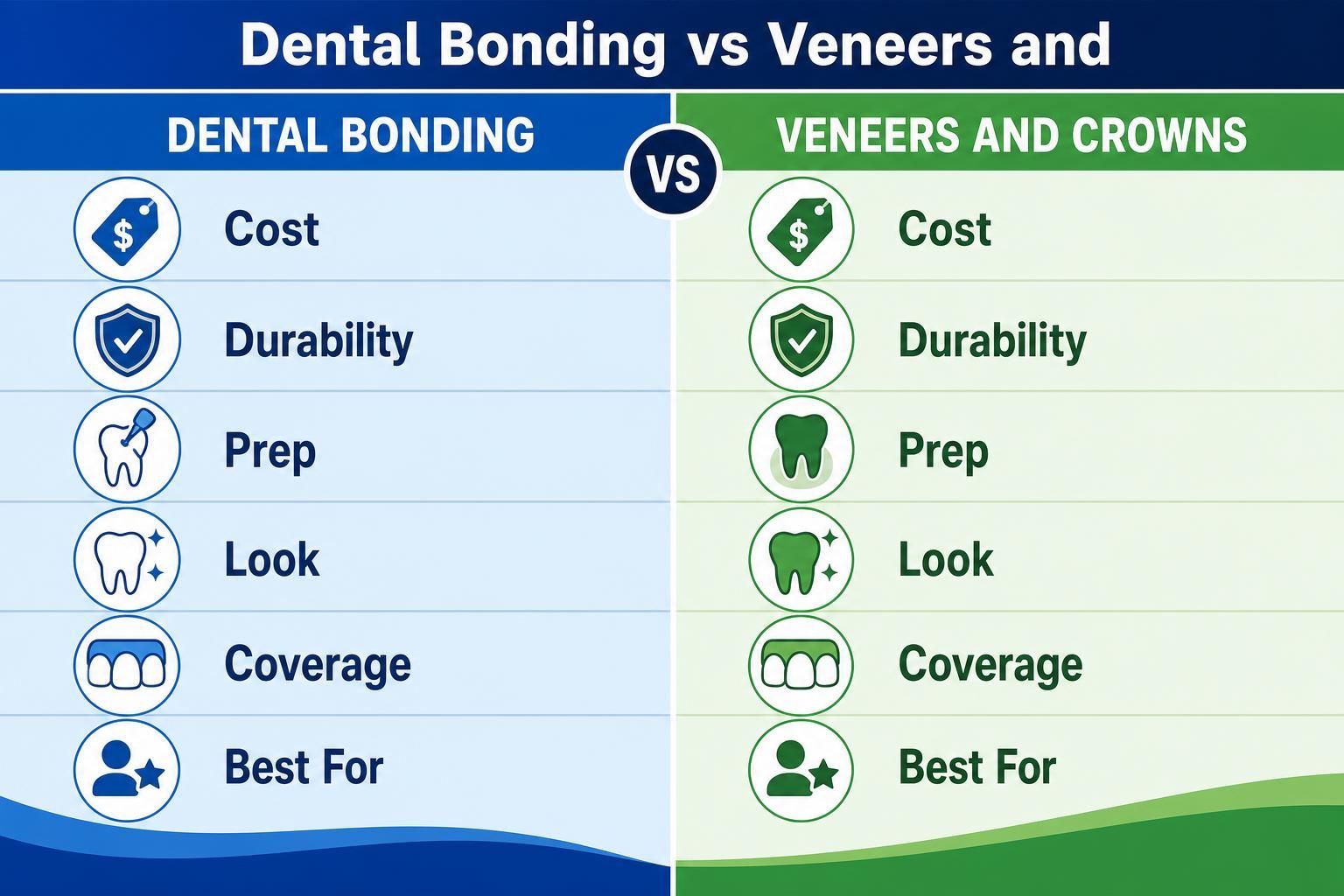
These planning ranges vary by dentist, clinic, state, district, tooth condition, and materials.
- Dental bonding: $100-$600 per tooth; best for small cosmetic repairs.
- Veneers: $900-$2,500 per tooth; best for bigger color, shape, or symmetry changes.
- Crowns: $800-$3,000+ per tooth; best when a tooth is cracked, weak, or heavily filled.
Bonding adds composite resin to tooth enamel. Veneers cover the front surface. Crowns cover the whole visible tooth. If the tooth needs strength, not just a nicer look, a crown may make more sense.
How Long Dental Bonding Lasts
Dental bonding typically lasts 3 to 10 years as a planning range, but it depends on the repair size, tooth location, and your habits.
Small bonding on front teeth may last well with gentle care. Larger repairs on biting edges wear faster because they take more pressure. Bonded teeth can also chip or stain sooner than veneers or crowns.
You’ll get better durability if you don’t bite nails, chew ice, or use teeth as tools. If bonding feels rough, loose, sharp, or chipped, book a dentist visit before the repair gets worse.
How to Get an Accurate Quote From a Dentist
For a real number, book a consultation before comparing options online. Your dentist can check enamel, oral health, tooth location, and repair size, then tell you whether bonding, veneers, or crowns fit better.
Quick quote-check list: compare the per-tooth fee, whether exam, X-rays, or cleaning are separate, whether shade matching or polishing is included, and whether insurance coding changes the final total.
- An itemized cost per tooth
- Any exam, cleaning, whitening, or follow-up fees
- Insurance codes for medically needed repair
- Financing, payment plan, or CareCredit options
- How pricing changes by clinic, state, or district
These ranges are planning estimates, not quotes. Confirm current pricing with the dentist before treatment.
Dental bonding is often worth considering for a small chip, gap, stain, or shape issue, with planning estimates of about $100 to $600 per tooth. Final price depends on repair size, tooth location, tooth condition, and your dentist’s fees.
If the tooth is badly cracked, weak, or heavily worn, a veneer or crown may make more sense.