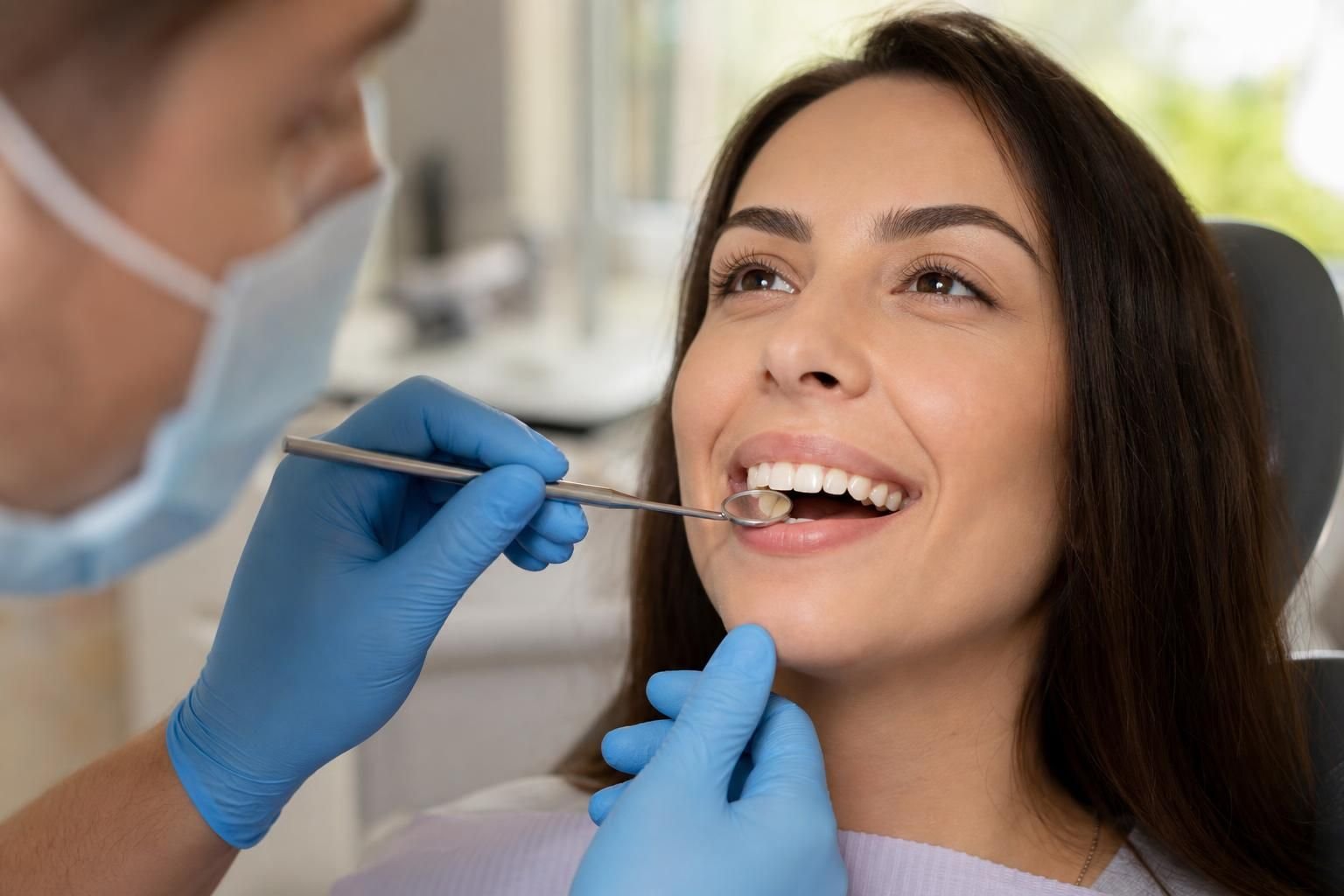
Dental bonding usually lasts about three to ten years, but the real answer depends on the tooth. If you're wondering how long dental bonding lasts, start with location, bite force, and daily habits. Front teeth often hold up well because they handle less chewing pressure. Back teeth can wear faster because they take stronger forces.
Dental bonding uses composite resin that matches your tooth color. A dentist lightly prepares the tooth enamel, adds a bonding agent, shapes the resin, hardens it with a curing light, and polishes it. It's a simple fix for a chipped tooth, tooth gap, tooth discoloration, or small worn spot.
Average Lifespan of Dental Bonding
Dental bonding often lasts three to ten years, though it can chip, stain, or wear down over time. A small front tooth repair usually lasts longer than bonding on a chewing surface. Most cosmetic bonding uses direct composite resin placed on the tooth with little preparation. One advantage is that it is often easy to maintain, smooth, repair, or replace when needed.
Front Teeth Vs. Back Teeth
Bonding on front teeth often lasts longer because front teeth take less heavy chewing force. It's commonly used for small chips, gaps, and discoloration.
Bonding on back teeth can wear faster. Molars and premolars handle stronger biting pressure every day. If bonding covers a chewing surface, you'll need more careful maintenance and follow-up checks.
What Affects How Long Dental Bonding Lasts
Dental bonding lasts longer when the tooth has less pressure, staining, and wear. Your bite, habits, oral hygiene, and the dentist's technique all matter. Composite resin bonds well to enamel but is softer than porcelain or metal, so it handles small cosmetic fixes better than heavy chewing stress.
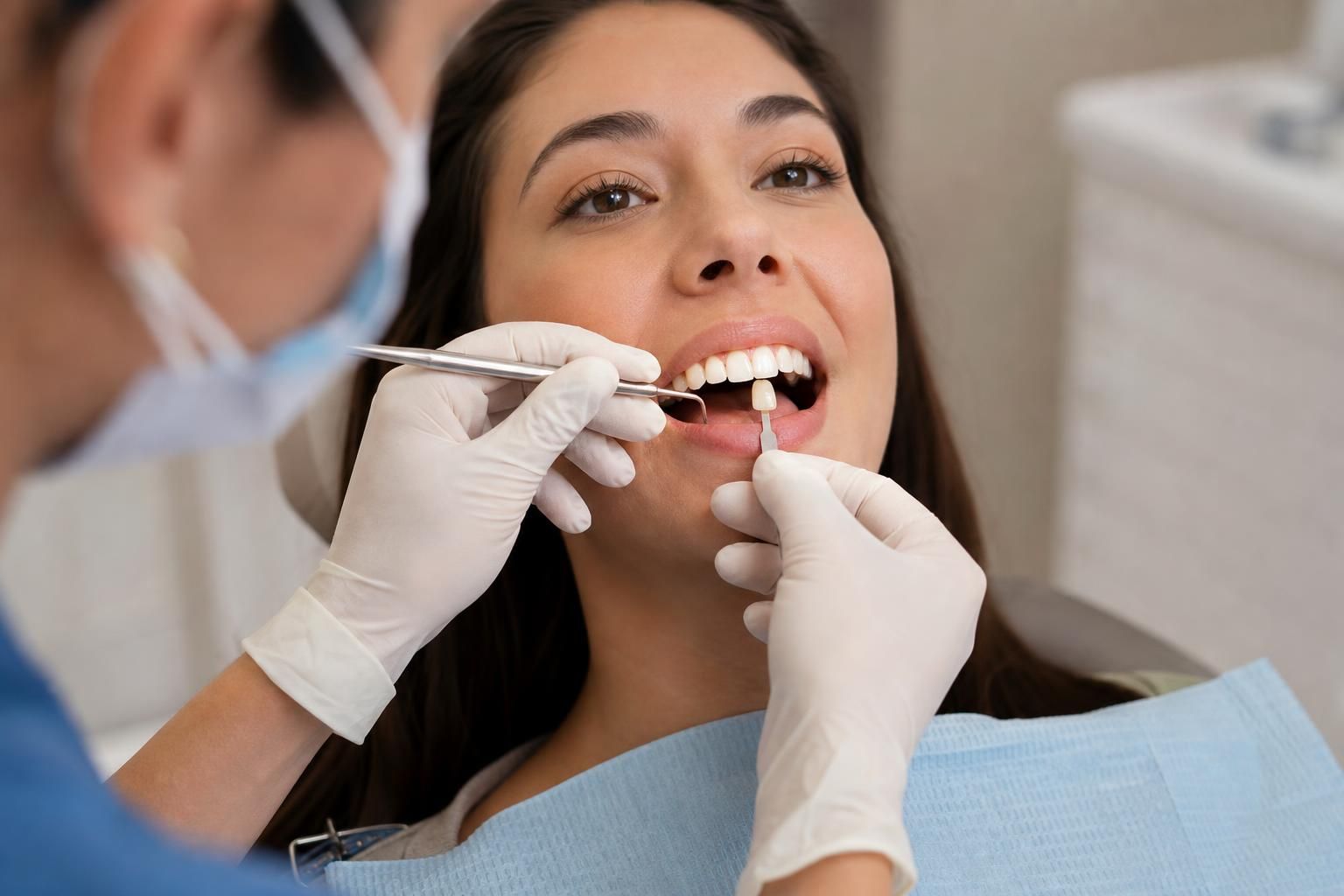
The main things that shorten bonding lifespan include teeth grinding, hard biting habits, staining, poor oral hygiene, high-pressure placement, and bite problems.
- Teeth grinding or clenching
- Biting hard foods, ice, pens, or fingernails
- Smoking, coffee, tea, and other staining habits
- Poor oral hygiene or missed dental visits
- Bonding placed on high-pressure back teeth
- A bite that hits the bonded tooth first
Bite, Habits, and Tooth Location
Your bite can make or break dental bonding. If one bonded tooth takes extra force, it may chip sooner.
Habits matter too. Nail biting, chewing pens, and opening packages with teeth can damage resin. Coffee and tea can also cause staining faster than you may expect.
Dentist Technique and Material Quality
Good bonding starts with clean tooth enamel, careful shade matching, and proper tooth preparation. The dentist also needs to shape the resin well.
Etching, bonding agent, curing light time, shaping, and polishing all matter. If the surface feels smooth and blends well, it usually resists plaque and staining better.
Signs Your Dental Bonding Needs Repair or Replacement
Dental bonding may need repair or replacement if it chips, cracks, stains, feels rough, loosens, or causes sensitivity. Early changes are easier to fix than larger damage. You may notice a sharp edge, floss catching, an uneven bite, or a visible line where the resin meets the tooth.
- A chipped or cracked bonded tooth
- Rough edges or uneven bite
- New tooth sensitivity
- Dark staining around the bonding
- Bonding that feels loose
- A change in tooth shape or length
Back teeth may need stronger repair if chewing pressure caused the damage.
How to Make Dental Bonding Last Longer
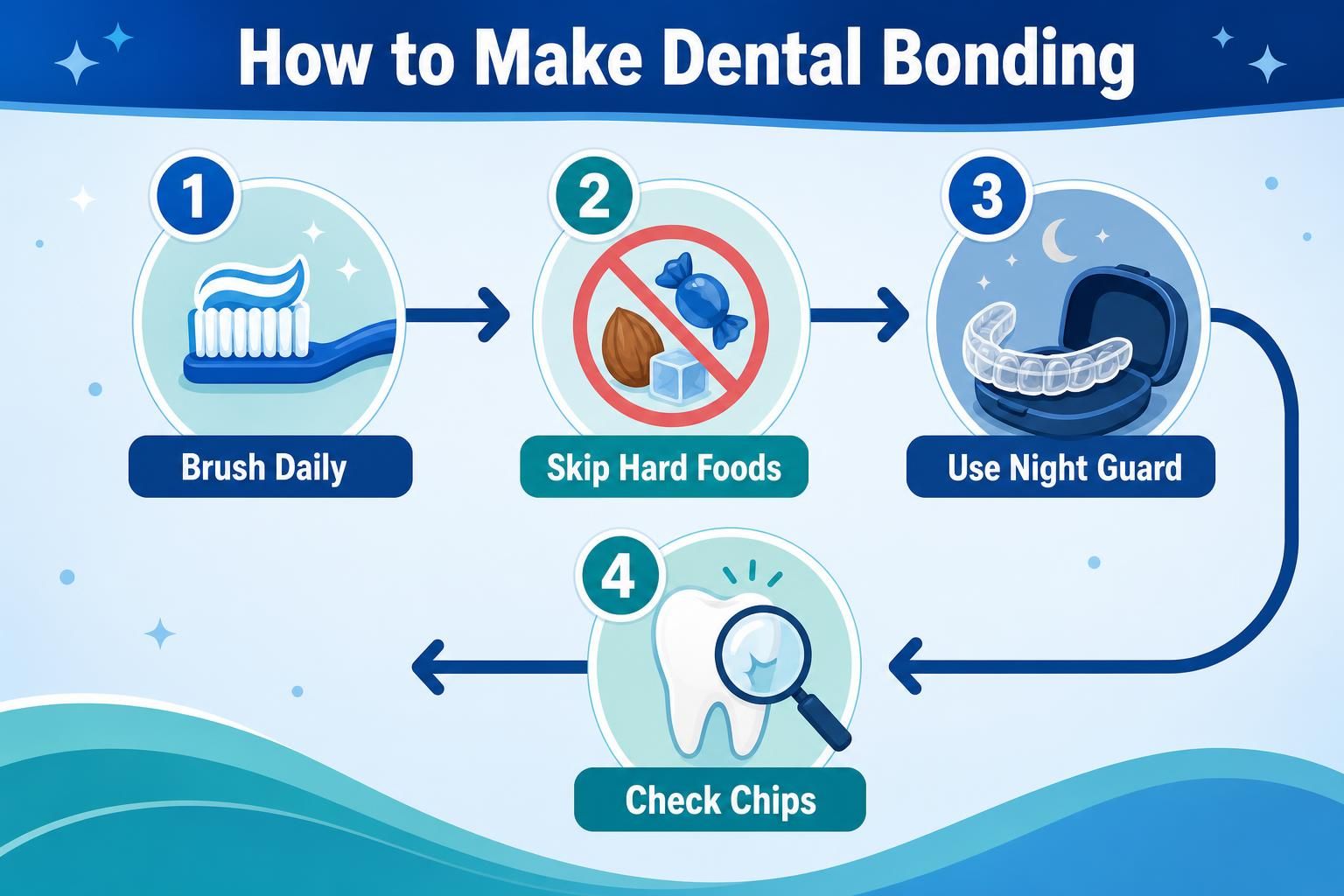
Dental bonding lasts longer when you protect it from stains, pressure, and rough daily habits. You don't need a complicated routine. You just need steady oral hygiene and smart choices.
Brush gently with a soft toothbrush, floss daily, and keep regular dental visits. Your dentist can check the edges and polish stained areas when needed. Follow-up care helps catch wear and tear before it becomes a bigger repair.
Try not to use bonded teeth as tools. That's one of the fastest ways to chip resin. If you bite into hard bread, apples, or similar foods, use care with bonded front teeth.
Daily Care and Foods to Avoid
Daily care should focus on keeping the bonded area clean and smooth. Brush twice daily and floss around the bonded tooth carefully.
Limit hard, sticky, and stain-heavy choices when you can. Coffee and tea don't need to disappear. Just know they can darken composite resin over time.
When a Night Guard Helps
A night guard helps when teeth grinding or clenching puts pressure on bonding. It spreads force and protects the bonded tooth.
This matters most if you wake with jaw soreness or worn teeth. A dentist can check your bite and suggest the right guard.
Can Dental Bonding Be Repaired?
Dental bonding can often be repaired when damage is minor and the tooth underneath is healthy. A dentist may add composite resin, then polish or reshape the area.
Repairs work best for small chips, light wear, rough edges, or surface flaws when the color still matches. Replacement is usually better for bonding that is badly stained, cracked, loose, or thin. In those cases, the dentist removes the old material carefully, cleans the tooth, and redoes the bonding. Costs and insurance coverage vary by reason and size of treatment.
Dental Bonding Vs. Veneers or Crowns
Dental bonding is best for smaller cosmetic fixes, while veneers and crowns suit bigger durability needs. Bonding is usually more conservative because it needs less enamel change. It can fix a chipped tooth, small gap, mild discoloration, or minor shape issue.
Veneers cover the front of teeth and resist stains better than composite resin. Crowns cover more of the tooth and add strength when structure is weak. Let's be honest, bonding is not the strongest option for every tooth.
| Treatment | Best for | Durability feel | Tooth change |
|---|---|---|---|
| Bonding | Small chips, gaps, stains | Moderate | Minimal |
| Veneer | Front tooth color or shape | Stronger stain resistance | More enamel change |
| Crown | Weak or cracked tooth | Strong coverage | More tooth coverage |
Bonding has clear benefits. It's quick, repairable, and often gentle on enamel. The drawbacks are staining, chipping, and shorter lifespan compared with porcelain options.
When Bonding is Enough
Bonding is often enough for a small front tooth chip, minor tooth gap, or light tooth discoloration. It's also helpful when you want a conservative change.
A good candidate has healthy enamel, mild damage, and realistic goals. If your bite is stable, bonding may work very well.
When a Longer-lasting Option Makes Sense
A veneer may make sense when several front teeth need color or shape changes. It can be a better fit for lasting stain resistance.
A crown may be better for a cracked tooth, minor tooth decay with lost structure, or heavy back tooth damage. Strength matters more there.
FAQs About Dental Bonding Longevity
Dental bonding longevity depends on how the material is used and cared for. The same resin can perform differently on different teeth. That's why a front tooth and molar shouldn't be judged the same way.
These answers cover the most common timing and care questions. They can help you decide when to wait, when to book a touch-up, and when to ask about other options.
How Often Does Dental Bonding Need Touch-ups?
Dental bonding may need touch-ups when edges stain, wear, or feel rough. Some people need only polishing during routine visits. Others need small repairs sooner because of grinding, biting habits, or tooth location. Your dentist can check the bonded tooth during regular exams.
Does Dental Bonding Stain or Discolor Over Time?
Yes, dental bonding can stain over time because composite resin is more porous than porcelain. Coffee, tea, smoking, and dark foods can speed up discoloration. Polishing may help surface stains, but deeper color changes may need repair or replacement.
Is Dental Bonding Strong Enough for Molars?
Dental bonding can work on molars for small areas, but it may not suit heavy chewing surfaces. Back teeth face stronger bite force than front teeth. If a molar has major damage, a crown or another stronger option may last better.
When Should I Call a Dentist About Damaged Bonding?
Call a dentist if bonding chips, cracks, feels loose, causes sensitivity, or makes your bite feel uneven. Quick care can protect enamel and make repair easier. Avoid chewing on a sharp or broken edge. Dental bonding often lasts several years, especially on front teeth, but grinding, hard biting, and back-tooth pressure can shorten that time. Keep the tooth clean and book a check if it feels rough, stained, sharp, or sensitive.