
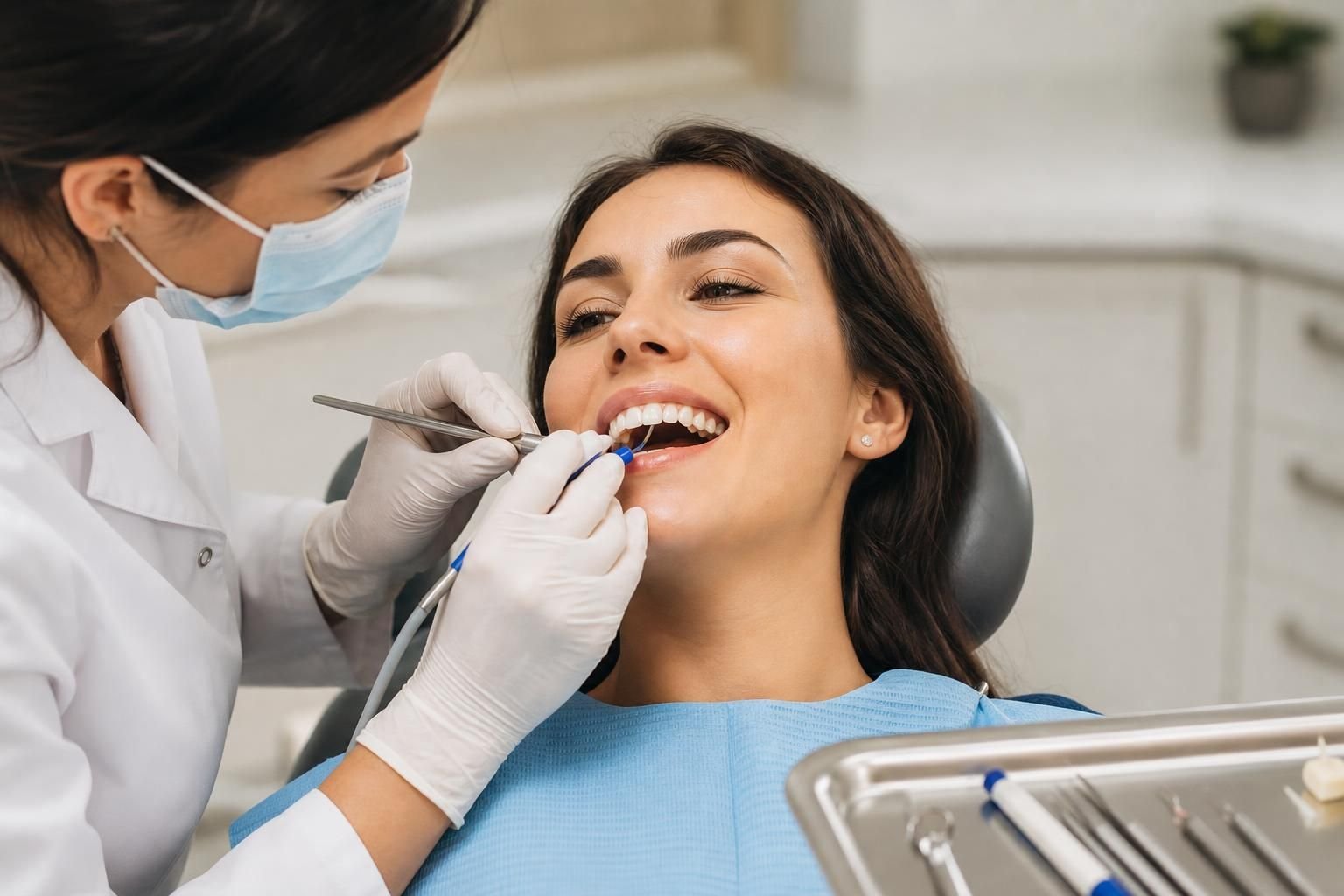
Dental bonding usually takes about 30 to 60 minutes per tooth, though timing varies by tooth, repair size, and dentist setup. A minor edge chip may fit into a 45 to 90 minute visit, including shade matching, prep, bonding, curing, and polishing.
If you’re treating several teeth or improving spacing, you’ll likely need a longer appointment. The good news is that bonding is often completed in one visit, with little downtime afterward.
How Long Dental Bonding Usually Takes
Most dental bonding appointments are short. For a typical simple case, plan on 30 to 60 minutes of chair time for each tooth. Your total appointment length may be closer to 45 to 90 minutes because the dental office also needs time for check-in, shade matching, and final bite checks.

A quick cosmetic repair, such as rebuilding a worn corner or smoothing a chip, often sits at the shorter end. Spacing corrections or bonding several visible teeth can take a longer block, sometimes a few hours. It’s still usually faster than veneers or a crown because the dentist adds composite resin directly to the tooth enamel in one visit rather than sending a restoration to a lab.
Time Per Tooth and Total Appointment Length
Single Tooth Vs. Multiple Teeth
One tooth is usually the easiest to plan around. A simple repair may need about 30 to 60 minutes of chair time, plus a little extra for setup and bite checks.
Treating multiple teeth takes longer because the dentist has to match shape, length, and color across your smile. That’s where appointment length can move from a lunch-break visit to a longer cosmetic block.
| Bonding situation | Typical chair time | Total visit to plan | Why it varies |
|---|---|---|---|
| Single minor chip | 30-60 minutes | 45-90 minutes | Simple shaping and polishing |
| Small space between teeth | 45-90 minutes | 60-120 minutes | Symmetry takes extra time |
| Several visible teeth | 1-3 hours | 2-4 hours | Shade and shape must match |
When Treatment Takes Longer
Dental bonding takes longer when the repair is larger, more visible, or harder to keep dry. Teeth in the smile line often need careful layering because even tiny shape changes show when you speak or smile.
Your dentist may also spend extra time if:
- The space needs balanced shaping on both teeth.
- The chipped area is near the biting edge.
- The composite resin shade needs custom blending.
- Old bonding or rough filling material must be smoothed first.
- Your bite needs several adjustments after curing.
If the tooth has pain, a deep crack, or decay, bonding may not be the first step. Your dentist may recommend X-rays or a different repair plan before starting.
What Happens During the Bonding Procedure
Preparation and Shade Matching
The dentist starts by checking the tooth, your bite, and the repair area. For a straightforward cosmetic repair, this prep is usually quick.
Most dental bonding, tooth bonding, and composite bonding need little drilling. Dental organizations commonly describe bonding as a conservative procedure, and anesthesia often isn’t needed unless decay, an old filling, or a deeper injury is involved. Your dentist may still numb the area if treatment is close to the gumline or if you are sensitive.
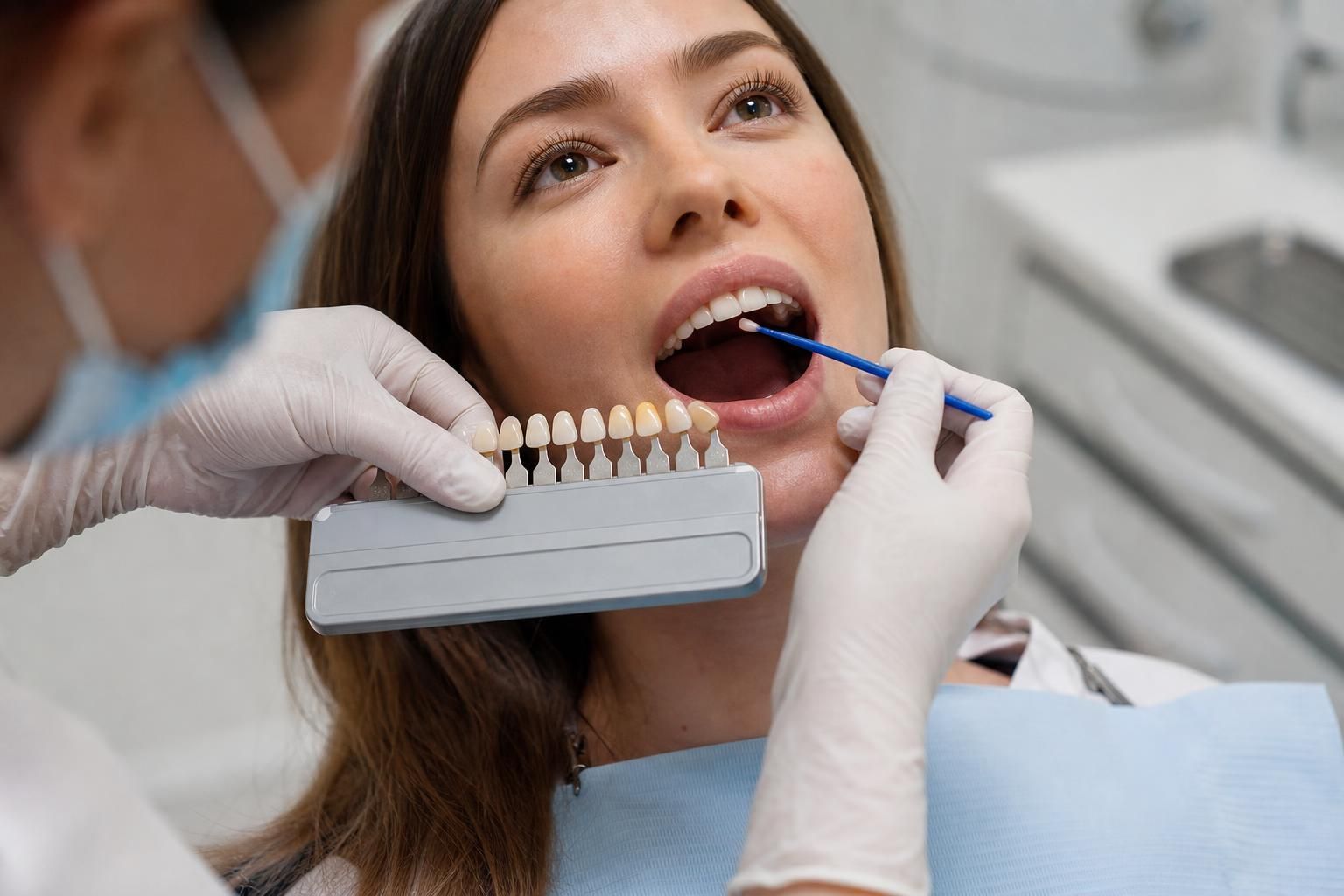
Next comes shade matching. Your dentist compares composite resin shades against your natural teeth under dental office lighting. This step matters most on highly visible teeth, where even small color differences can show.
The tooth enamel is then lightly roughened through etching. This helps the bonding agent grip the tooth better. After that, the dentist applies the bonding agent and adds soft composite resin in layers.
Shaping, Curing, and Polishing
Once the composite resin is on the tooth, the dentist shapes it before it hardens. This is where the smile repair really happens.
For a chip, they rebuild the missing edge. For spacing, they may widen one or both teeth slightly so the result looks balanced rather than bulky.
Each resin layer is hardened with a curing light. After curing, the dentist trims and refines the shape. They’ll also check your bite so the bonded area doesn’t hit too hard.
The final step is polishing. Good polishing helps the bonded tooth feel smooth and look more like natural enamel.
Factors That Affect Treatment Time
A few details can stretch or shorten your dental bonding appointment length.
- Number of teeth: One tooth is quicker than bonding four.
- Repair size: A tiny edge chip takes less shaping than a larger smile repair.
- Location: Easy-to-access teeth are usually faster than tight back areas.
- Shade matching: Blending composite resin with tooth enamel can take extra time.
- Bite adjustments: Your dentist may need more checks if the bonded area hits when you bite.
- Cosmetic goals: Closing space evenly may require careful shaping on both sides.
Old bonding, deep cracks, or hidden decay can also slow things down. Your dentist may need X-rays or a different treatment plan.
Does Dental Bonding Require More Than One Visit?
Most dental bonding is finished in one dental office visit, especially for a single chip or a modest spacing fix. You’ll usually leave with the composite resin shaped, cured, and polished the same day.
A second visit may make sense when the plan is more cosmetic or complex. For example, bonding several teeth may need a separate consult for shade matching, bite planning, or mock-up photos. Your dentist may also pause treatment if they find decay, a deep crack, or damage that needs a filling, veneer, or crown instead.
You don’t usually need a lab-made restoration for tooth bonding, which is why it’s often faster than veneers or crowns.
What to Expect After the Appointment
Recovery and Sensitivity
You can usually get back to normal right after dental bonding. There’s typically no real recovery period because the composite resin is hardened before you leave the dental office.
Mild sensitivity can happen, especially if the repair is close to the nerve or the tooth was already irritated. Cold drinks, air, or bite pressure may feel sharp for a few days. It should usually settle rather than get worse.
Call your dentist if pain lingers, your bite feels high, or the bonded area feels rough. You should also book a check if the bonding chips, loosens, or catches floss.
Eating, Drinking, and Aftercare
Once the numbness wears off, you can usually eat normally. If you didn’t need anesthesia, that may be right away. Still, be gentle for the first day.
- Avoid biting ice, pens, fingernails, or hard candy.
- Be careful with crusty bread, nuts, and sticky foods.
- Brush and floss daily to protect enamel around the bonding.
- Limit staining from coffee, tea, red wine, and tobacco.
- Wear a night guard if you grind your teeth.
Bonding is strong, but it is not as stain-resistant as veneers or as protective as a crown. Good aftercare helps it last longer and keeps your smile repair looking smoother.
How Long Dental Bonding Lasts
Dental bonding often lasts about 3-10 years, depending on your bite, oral hygiene, tooth location, and the size of the repair. Results can be shorter or longer based on habits such as grinding, nail biting, and using teeth to open packaging.
Composite resin on a biting edge may last well if you avoid hard pressure. Bonding used to reshape teeth or close space can also hold up, though edges may stain or chip over time.
See your dentist if the bonded tooth feels rough, catches floss, changes color, chips, or feels sensitive when you bite. Veneers may last longer for broader cosmetic changes, and a crown may protect a badly cracked tooth better. For small smile repairs, bonding is usually the quicker fix.
Bonding is often a one-visit treatment, with about 30 to 60 minutes of chair time per tooth.